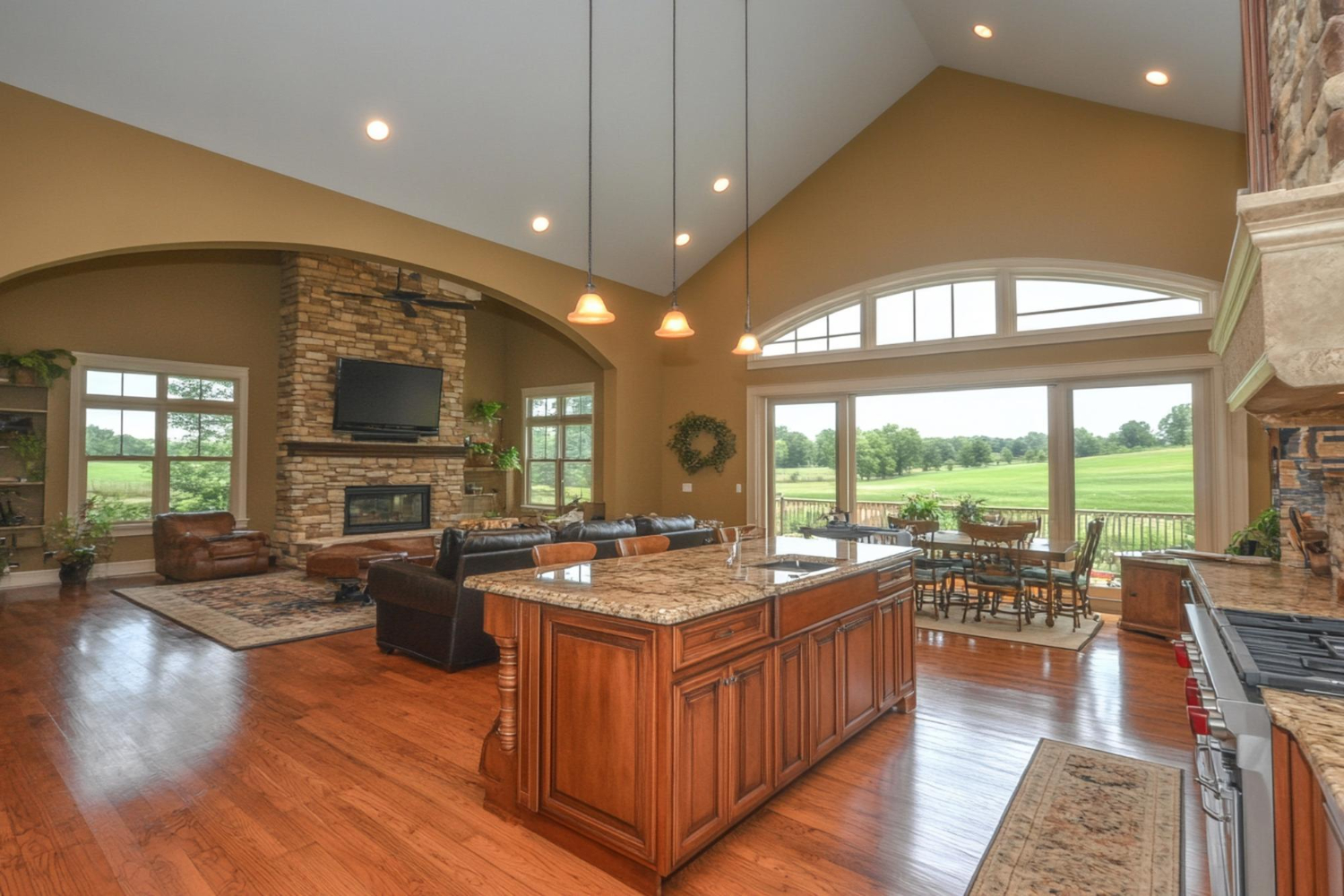
What homebuyers notice first in a new build is not the floorplan, square footage, or even the price. It is the finishes. Within seconds of walking in, buyers are making decisions based on how the home looks and feels, and in new construction, those expectations are higher than ever.
Buyers expect perfection in a new build. There is no allowance for wear, aging, or outdated elements as there might be in a resale home. Everything is supposed to feel clean, intentional, and complete. When it does not, even small issues stand out immediately.
The reality is that buyers are often comparing multiple new builds in a short period of time. They have already seen model homes that set a high standard, and they are using those as the benchmark. Small differences in finishes, flooring, lighting, and materials can quickly shift perception from “this feels high-end” to “this feels basic.”
This is where many builders lose value without realizing it. It is not always about major upgrades. It is about consistency, coordination, and making sure every visible detail supports the overall impression.
Primera works with builders and developers to close that gap by delivering model-home-level finishes across every property, not just the showcase units. The goal is simple. Make every home feel complete, intentional, and ready to impress from the moment a buyer walks in.
Why New Build Buyers Judge Differently Than Resale Buyers
Higher Expectations Across the Board
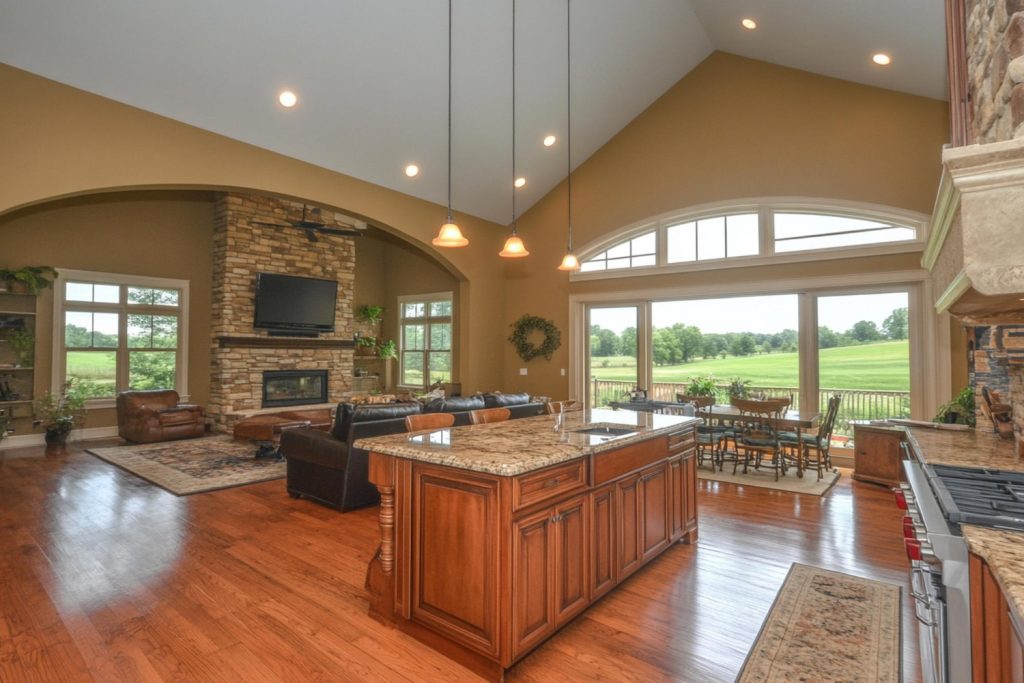
Buyers walk into a new build with a completely different mindset than they do with resale homes. They are not looking for potential. They are expecting a finished product.
- Buyers assume:
- Everything should feel new, clean, and intentional
- Materials, colors, and finishes should look coordinated and current
- No tolerance for:
- Mismatched finishes
- Inconsistent flooring, clashing tones, or poorly paired materials stand out immediately
- Builder-grade shortcuts
- Basic fixtures or outdated selections signal lower quality
- Mismatched finishes
- What this means for builders
- Every visible detail is being evaluated
- Even small inconsistencies can impact the perceived value of the entire home
In new construction, buyers are not forgiving. They are comparing your product to what they believe a new home should be.
Immediate Comparison to Model Homes
Most buyers do not start with available inventory. They start with the model home, which sets the standard for everything that follows.
- Buyers often tour:
- Model homes first
- Designed to showcase the best possible version of the property
- Then spec or inventory homes
- Expected to deliver a similar experience
- Model homes first
- Gap between model vs actual build:
- Kills perceived value instantly
- If finishes feel downgraded, buyers notice immediately
- The home feels like a compromise instead of a complete product
- Kills perceived value instantly
- What buyers are thinking
- “Why doesn’t this look like the model?”
- “What else is different?”
This gap is one of the biggest missed opportunities in new construction. When spec homes do not match the level of finish and coordination shown in model homes, buyers hesitate, question value, and often move on.
What Homebuyers Notice First in a New Build
Flooring Consistency and Quality
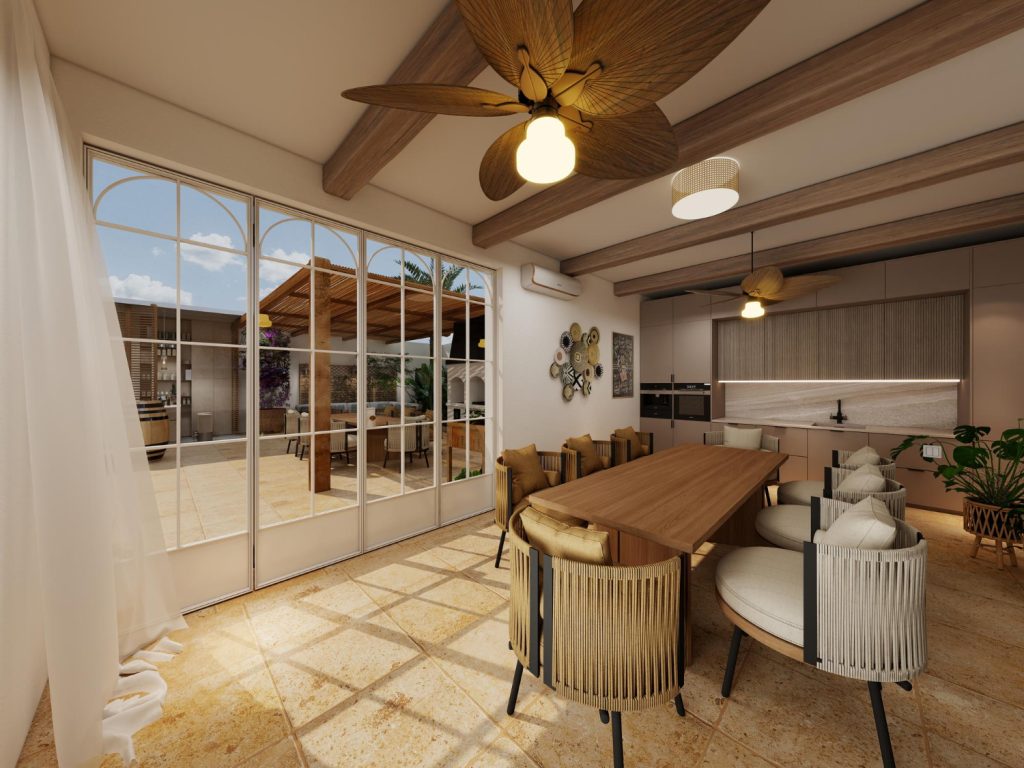
Flooring is the first thing buyers visually register because it covers the largest surface area. It sets the tone for the entire home within seconds.
- First large surface buyers register
- Creates an immediate sense of quality or lack of it
- Impacts how every other finish is perceived
- What stands out:
- Seamless flooring transitions
- Clean flow from room to room without interruption
- Modern materials (LVP, large-format tile)
- Signals updated, durable, and desirable finishes
- Seamless flooring transitions
- What hurts:
- Room-to-room changes
- Breaks visual continuity and feels pieced together
- Builder-grade carpet in main areas
- Immediately lowers perceived value
- Room-to-room changes
Consistency here is one of the fastest ways to elevate or damage first impressions.
Kitchen Finishes and Cohesion
The kitchen is the primary driver of decisions in new builds. Buyers spend the most time evaluating this space.
- Buyers focus on:
- Countertops (quartz preferred)
- Clean, durable, and widely recognized as an upgrade
- Cabinet style and color
- Should align with the overall design of the home
- Hardware and backsplash
- Small details that signal attention to quality
- Countertops (quartz preferred)
- Key insight:
- Even small upgrades here shift perception of the entire home
- A strong kitchen can compensate for less noticeable areas
If the kitchen feels complete and well-designed, the rest of the home benefits.
Paint, Walls, and Overall Cleanliness
Walls and paint are simple, but they carry a lot of weight in how “finished” a home feels.
- Neutral, clean finishes signal move-in readiness
- Buyers want a space that feels complete without extra work
- What buyers notice:
- Smooth walls
- No visible imperfections or inconsistencies
- Consistent color palette
- Cohesive look across all rooms
- Smooth walls
- Red flags:
- Flat builder white without warmth
- Feels basic and unfinished
- Touch-up inconsistencies
- Patchy areas or uneven coverage
- Flat builder white without warmth
Clean execution here reinforces the idea that the home was built with care.
Lighting and Fixture Selection
Lighting has a direct impact on how other finishes look. It is often underestimated but highly noticeable.
- Lighting changes how every finish is perceived
- Enhances or diminishes the look of materials and colors
- Buyers notice:
- Fixture style vs builder-grade defaults
- Modern fixtures signal a higher level of finish
- Color temperature consistency
- Mixed lighting tones create a disjointed feel
- Fixture style vs builder-grade defaults
- Impact:
- Cheap lighting makes the entire home feel lower quality
- Well-chosen lighting elevates everything else in the space
Lighting is not just functional. It defines the atmosphere and perceived value.
Bathrooms: Detail-Driven Spaces
Bathrooms are smaller spaces, but buyers evaluate them closely and quickly.
- Buyers inspect bathrooms closely in new builds
- Expectations are high for cleanliness and finish quality
- Key elements:
- Tile selection and layout
- Clean lines and modern styles matter
- Vanity finishes
- Should match the overall design of the home
- Fixtures
- Quality and consistency are immediately noticeable
- Tile selection and layout
- What hurts perception:
- Generic finishes
- Feels like a missed opportunity in a high-impact space
- Poor grout lines or mismatched materials
- Signals a lack of attention to detail
- Generic finishes
Bathrooms are where small details either reinforce quality or raise doubts.
The Finish Gap: Model Home vs Spec Home
Why Buyers Feel the Difference Immediately
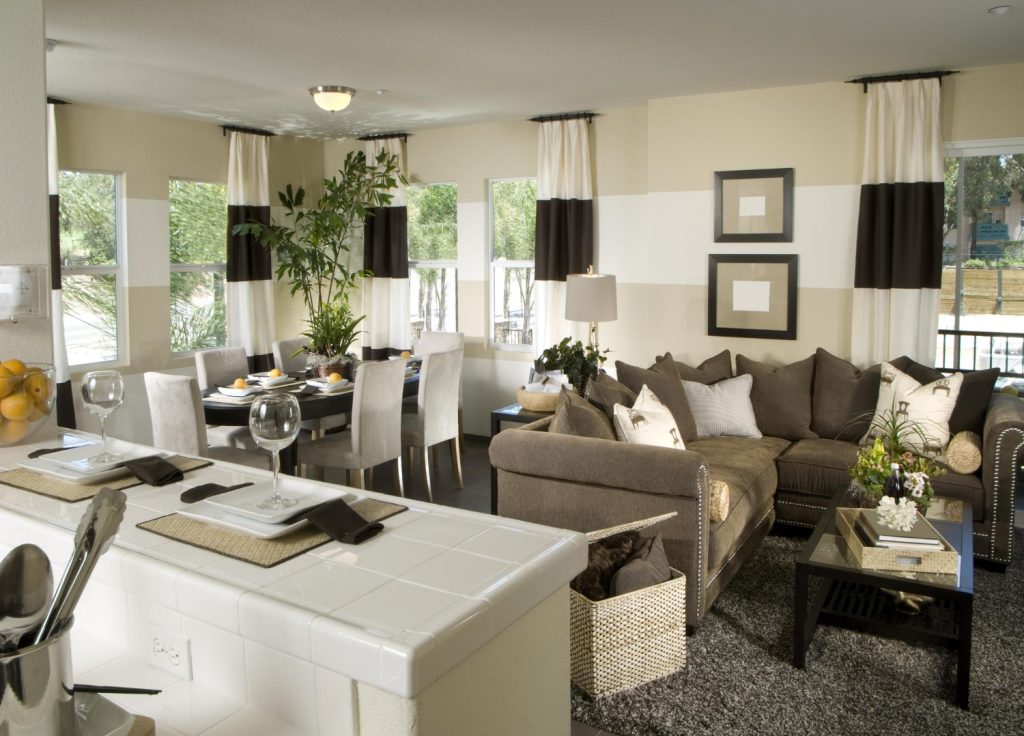
Buyers may not be able to explain the difference, but they feel it as soon as they walk in.
- Model homes:
- Designed, layered, intentional
- Every finish is selected to work together
- Color, texture, and materials are coordinated across the entire space
- Lighting is used to highlight key features
- Designed, layered, intentional
- Spec homes:
- Often assembled, not designed
- Selections are made individually instead of as a complete system
- Finishes may technically match, but lack cohesion
- Often assembled, not designed
- What buyers experience:
- The model home feels complete and polished
- Spec home feels unfinished or lower quality, even if new
That difference in perception directly impacts how buyers value the home.
Where Builders Lose Value
The gap is rarely caused by one major issue. It is usually a combination of small inconsistencies that add up.
- Inconsistent flooring
- Changes between rooms break visual flow
- Makes the home feel segmented instead of cohesive
- Basic lighting packages
- Builder-grade fixtures flatten the space
- Do not enhance finishes or create depth
- Lack of coordination between materials
- Countertops, cabinets, flooring, and hardware are not aligned
- Mixed tones or styles create a visual disconnect
- Result
- Buyers question quality
- Homes feel less premium than they should
- Increased price sensitivity and slower decision-making
How Primera Solves This
Closing the finish gap requires a design-driven approach, not just upgraded materials.
- Curated finish packages
- Selections made as a complete system, not individual upgrades
- Designed to appeal to a broad range of buyers
- Consistent design language across homes
- Uniform look and feel from one property to the next
- Reduces variation that can confuse buyers
- Elevates spec homes to model-home standard
- Brings the same level of coordination and polish
- Ensures buyers see consistency between what is showcased and what is available
The goal is simple. Remove the gap so every home delivers the same first impression buyers expect from the model.
How to Make Every Finish Count in a New Build
Prioritize High-Impact Areas First
Not every upgrade carries the same weight. Buyers form their opinions based on what they see first, so focus on what matters most.
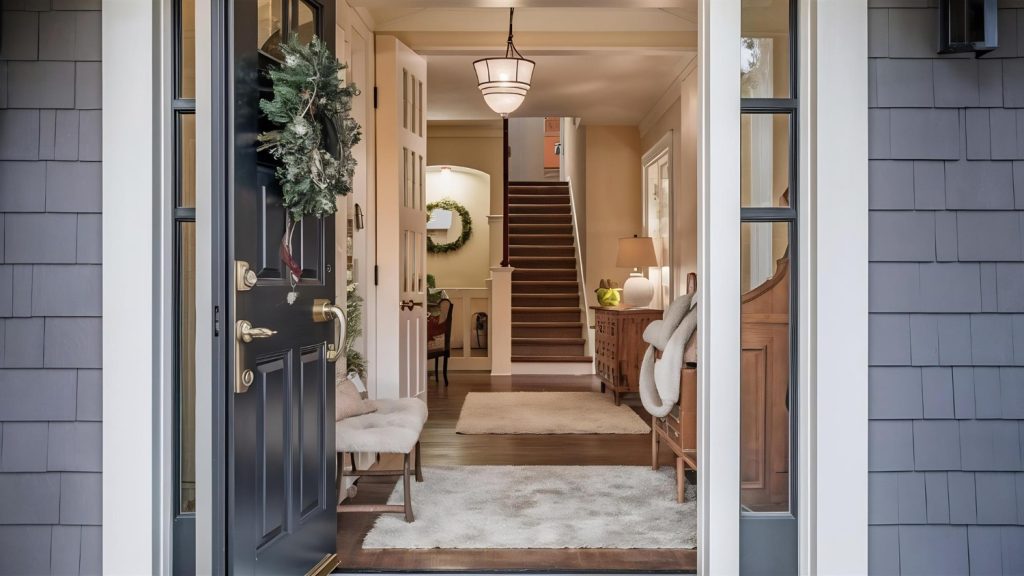
- Entryway
- Sets the tone immediately
- Clean flooring, lighting, and sightlines matter
- Kitchen
- Primary decision-making space
- The most scrutinized area in the home
- Main living space
- Largest visual area
- Needs to feel cohesive and well-lit
- These define the first impression
- If these areas feel complete, buyers overlook minor imperfections elsewhere
- If these areas fall short, the entire home feels lower quality
Focus on Consistency Over Upgrades
Random upgrades do not create value if they are not coordinated. Consistency is what makes a home feel finished.
- Consistency > random upgrades
- A cohesive design always feels higher-end than scattered premium features
- What to do:
- Match tones, materials, and styles
- Keep flooring, cabinetry, and hardware aligned
- Avoid mixing warm and cool finishes
- Inconsistent undertones create a visual disconnect
- Match tones, materials, and styles
- Result
- A home that feels intentional and professionally designed
- Stronger overall impression without unnecessary cost
Use Materials Buyers Recognize as “Upgraded”
Buyers look for familiar signals of quality. Certain materials immediately communicate value.
- Quartz countertops
- Clean, durable, and widely preferred
- Seen as a standard upgrade in new builds
- Wood-look flooring
- Modern, durable, and visually appealing
- Preferred over traditional carpet in main areas
- Matte black or brushed hardware
- Simple upgrade that modernizes the space
- Creates a consistent, updated look
- Why this matters
- Buyers do not analyze materials deeply
- They recognize familiar indicators of quality and respond quickly
Design for Broad Appeal
New builds need to appeal to the widest possible audience. Overly specific design choices limit buyer interest.
- Neutral but not bland
- Use tones that feel warm and inviting
- Avoid sterile or flat color palettes
- Avoid niche styles that limit the buyer pool
- Highly specific design trends can turn buyers off
- Focus on timeless selections that age well
- Goal
- A home that feels move-in ready for most buyers
- Finishes that support value without requiring personalization
Making every finish count is not about spending more. It is about making the right decisions in the areas buyers notice first.
How Builders and Developers Can Increase Buyer Appeal
Create a Cohesive Finish Package
Buyers do not evaluate finishes individually. They react to how the entire home feels as a complete product.
- Treat the home as a complete product, not individual upgrades
- Avoid selecting finishes in isolation
- Ensure every material works together across the entire space
- What this looks like in practice
- Coordinated color palette across flooring, cabinets, and walls
- Consistent hardware and fixture styles throughout the home
- Why this matters
- A cohesive design feels higher-end, even without premium upgrades
- Reduces buyer hesitation by presenting a finished, move-in-ready home
Align Spec Homes With Model Expectations
The biggest disconnect in new construction is the gap between what buyers see in the model and what they get in available inventory.
- Reduce the visual gap between:
- Model homes
- Designed, staged, and fully coordinated
- Available inventory
- Often built with less attention to finish consistency
- Model homes
- What to focus on
- Replicating key finishes from the model in spec homes
- Maintaining consistency in materials, tones, and lighting
- Result
- Buyers feel confident in what they are purchasing
- Less friction during the decision-making process
When the spec home matches the model experience, buyers move faster and with fewer objections.
Invest Where Buyers Actually Look
Not all upgrades carry the same weight. Builders need to focus their budget on areas where buyers pay the most attention.
- Flooring
- Largest visual impact across the home
- Consistency and material choice drive perception
- Kitchen
- Primary decision-making area
- Countertops, cabinets, and finishes influence overall value
- Lighting
- Impacts how every other finish is perceived
- Upgraded fixtures elevate the entire space
- Key takeaway
- Strategic investment in high-visibility areas delivers stronger returns
- Spending elsewhere without coordination has a limited impact
Builders and developers who focus on these areas create homes that feel complete, consistent, and aligned with buyer expectations from the moment they walk in.
Buyers Decide in Seconds, Finishes Make the Difference
Buyers judge new builds immediately. Before they process layout, pricing, or features, they react to how the home looks and feels. That reaction is driven by finishes.
If your new builds are not delivering the same impact as your model homes, the issue is not the product. It is the finishes.
Primera works with builders and developers to create cohesive, high-impact finish packages that align with buyer expectations and improve how homes are perceived from the moment buyers walk in.
FAQs
What do homebuyers notice first in a new build?
- Flooring, kitchen finishes, and overall consistency
Why do model homes look better than spec homes?
- Professional design and coordinated finishes
What upgrades matter most in new construction?
- Kitchen, flooring, and lighting
Do finishes impact home value in new builds?
- Yes, they directly affect buyer perception and pricing
Should builders invest in design services?
- Yes, to improve consistency and reduce buyer objections
How can I make spec homes sell faster?
- Align finishes with model homes and focus on high-visibility upgrades