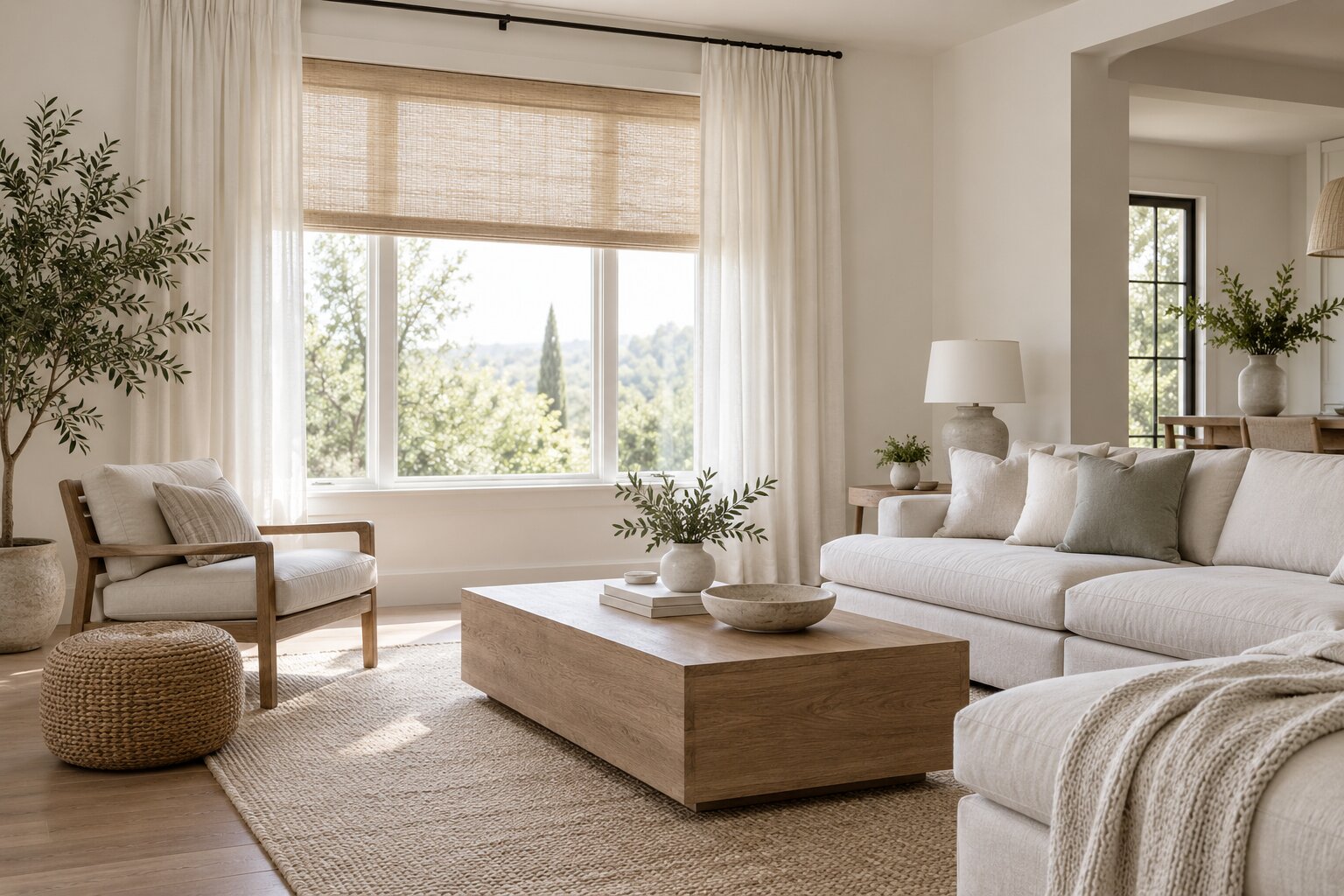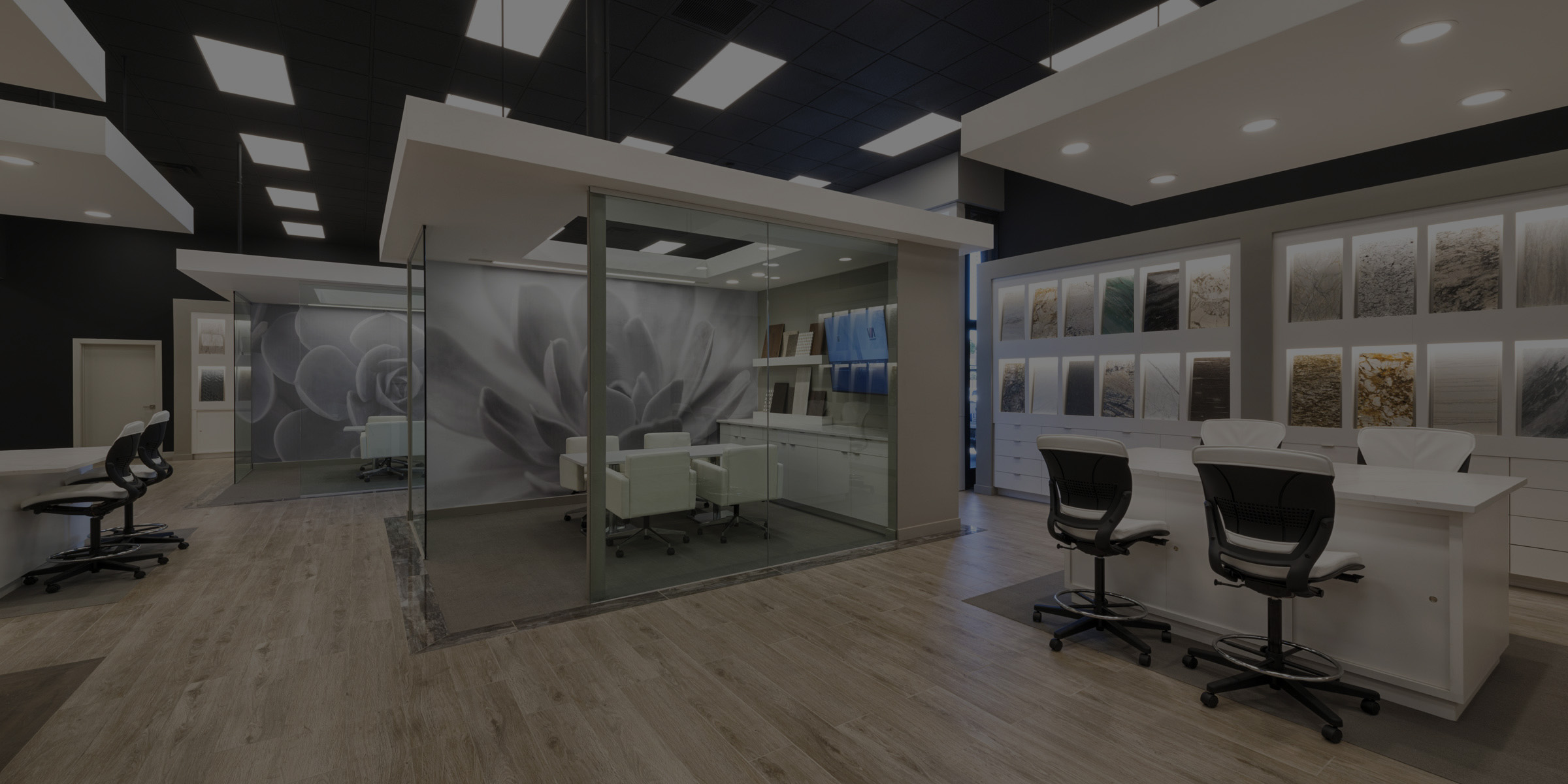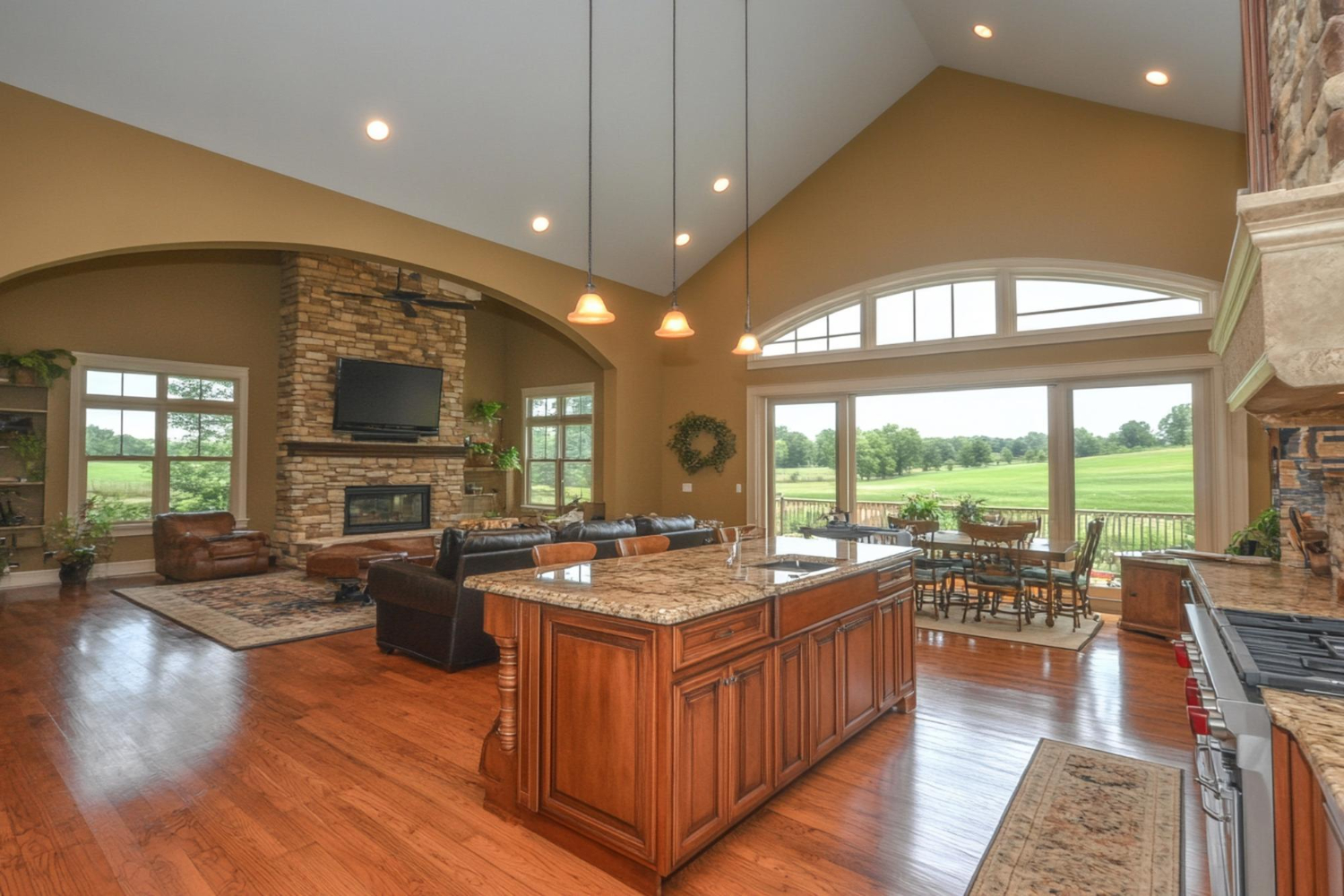
Homebuilder interior finish coordination is more than a design exercise. It directly influences buyer perception, model home presentation, construction efficiency, and overall property value. When cabinetry, countertops, and flooring are thoughtfully coordinated, homes appear more polished, intentional, and professionally designed. This improves buyer confidence and can accelerate purchasing decisions.
Many builders encounter problems when finishes are selected in isolation. Flooring may clash with cabinetry tones, countertops may introduce patterns that compete with other materials, or the design may feel inconsistent from room to room. These issues can make even a high-quality home feel visually disjointed.
Because cabinetry, countertops, and flooring occupy the largest visual surfaces inside a home, coordinating these materials should be part of the planning process early in construction. A cohesive finish strategy allows builders to deliver homes that look curated while maintaining consistency across floor plans and communities.
Primera works with homebuilders, developers, and design teams to coordinate cabinetry, countertops, and flooring selections that support cohesive home design across production homes, custom builds, and model properties.
Why Cohesive Interior Finishes Help Builders Sell Homes Faster
Buyers Judge Interior Design Within Seconds
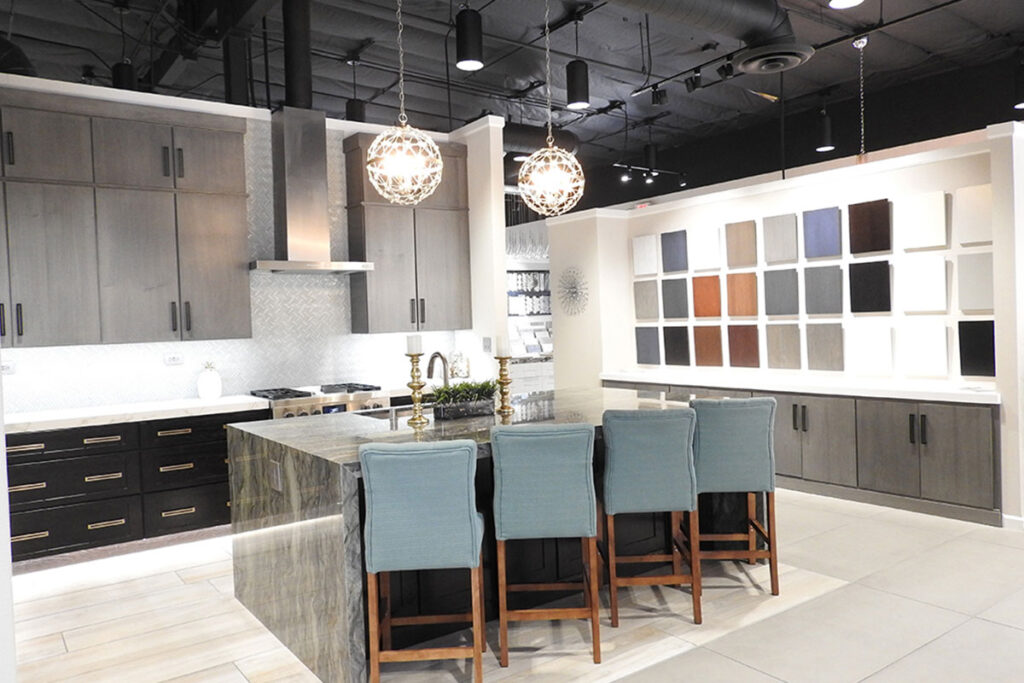
When buyers walk into a home, their first impressions are largely influenced by finishes. The combination of cabinetry, countertops, and flooring immediately establishes the property’s perceived quality. If it finishes work together, buyers often perceive the home as well-designed and move-in ready. If materials clash, the space may feel unfinished or outdated even when the construction quality is high.
Coordinated finishes help:
- Create a stronger model home presentation
- Improve buyer emotional response
- Reinforce the perceived value of the home
- Reduce buyer hesitation during walkthroughs
Cohesive Design Strengthens Community Branding
For builders developing multiple homes within a community, interior finishes also influence brand identity. Consistent material palettes help create a recognizable design standard across the development.
Benefits include:
- Visual consistency across model homes
- A more polished community aesthetic
- Stronger differentiation from competing developments
- Easier buyer decision-making when choosing finish packages
Builders who plan finish coordination early can offer curated design options while maintaining efficiency during construction.
Understanding the Design Role of Each Surface

Before coordinating materials, builders should understand how cabinetry, countertops, and flooring interact visually.
Cabinetry: The Largest Vertical Design Element
Cabinetry dominates the vertical space in kitchens, bathrooms, laundry rooms, and built-in storage areas. Because of this visual prominence, cabinetry often establishes the overall design direction of the home.
Key cabinetry decisions include:
- Door style, such as shaker, slab, or raised panel
- Cabinet color or wood species
- Painted versus natural finishes
- Hardware style and finish
Cabinet selections influence every other finish surrounding them. Flooring, countertops, backsplashes, and wall colors must work with the cabinetry palette.
For this reason, many builders begin interior finish planning with cabinetry selections.
Countertops: The Visual Focal Point
Countertops create a strong visual impact due to their horizontal prominence and material patterns. Surfaces such as quartz, granite, and marble introduce color variation, veining, and texture.
Important considerations include:
- Pattern scale and movement
- Veining intensity
- Color undertones
- Edge profiles and thickness
Countertops can either introduce visual interest or provide balance to more detailed cabinetry.
For example:
- Simple cabinetry allows countertops to feature bold veining.
- Detailed cabinetry may pair better with subtle stone patterns.
Flooring: The Foundation That Connects the Home
Flooring provides continuity across rooms and anchors the design throughout the property.
Common flooring materials used by builders include:
- Engineered hardwood
- Luxury vinyl plank
- Porcelain tile
- Natural stone
Key flooring considerations include:
- Color tone and undertones
- Grain pattern and texture
- Plank width or tile size
- Durability for high-traffic areas
Flooring should support the design rather than compete with cabinetry or countertops. It should visually tie together the kitchen, living spaces, and hallways.
Start with a Defined Design Direction
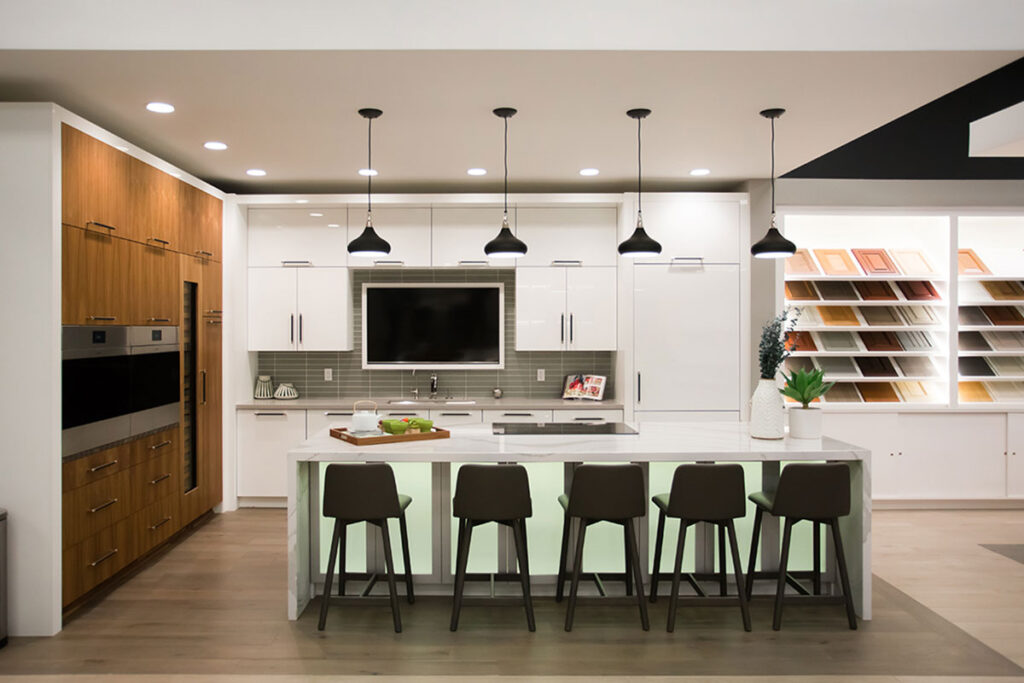
One of the most common mistakes in builder finish selection occurs when materials are chosen without a clear design direction.
Establish a Consistent Design Style
Builders often benefit from defining a design framework that guides material selections across floor plans.
Common styles used in new construction include:
- Transitional modern
- Contemporary minimal
- Modern farmhouse
- Traditional luxury
Each design style carries a different material palette.
For example:
Modern homes may feature:
- flat-panel cabinetry
- quartz countertops with subtle patterns
- wide plank wood flooring
Transitional homes may include:
- shaker cabinets
- marble-inspired quartz countertops
- medium-tone hardwood flooring
Defining a design style allows finish packages to remain consistent across multiple homes.
Consider Architecture and Floor Plan Layout
The finished coordination should also reflect the home’s architecture.
Important architectural factors include:
- ceiling height
- open-concept floor plans
- window placement and natural light
- transitions between living spaces
In open floor plans, flooring often continues through kitchens, dining areas, and living rooms. Coordinating cabinetry and countertops with that flooring becomes critical to maintaining visual flow.
Coordinating Cabinetry and Countertops

Cabinetry and countertops sit directly next to each other in kitchens and bathrooms, making their relationship one of the most important design decisions.
Match Undertones Instead of Exact Colors
Undertones determine whether materials appear warm, cool, or neutral.
Understanding undertones helps prevent conflicting finishes.
Examples include:
Warm combinations:
- natural oak cabinets with creamy quartz countertops
- beige-toned cabinets with warm granite
Cool combinations:
- gray cabinets with marble-style quartz
- navy cabinets with cool-toned white countertops
When undertones align, the materials naturally complement each other.
Balance Pattern and Simplicity
Another important principle is balancing visual complexity.
If cabinetry is simple, countertops can introduce stronger patterns.
Examples:
- white shaker cabinets with dramatic marble-style quartz
- flat-panel cabinets paired with patterned stone surfaces
If cabinetry contains strong wood grain or decorative details, countertops often look better with minimal patterns.
Examples:
- natural walnut cabinetry with solid white quartz
- detailed cabinets paired with subtle granite surfaces
Balancing visual complexity prevents the design from feeling busy.
Coordinating Flooring with Cabinetry
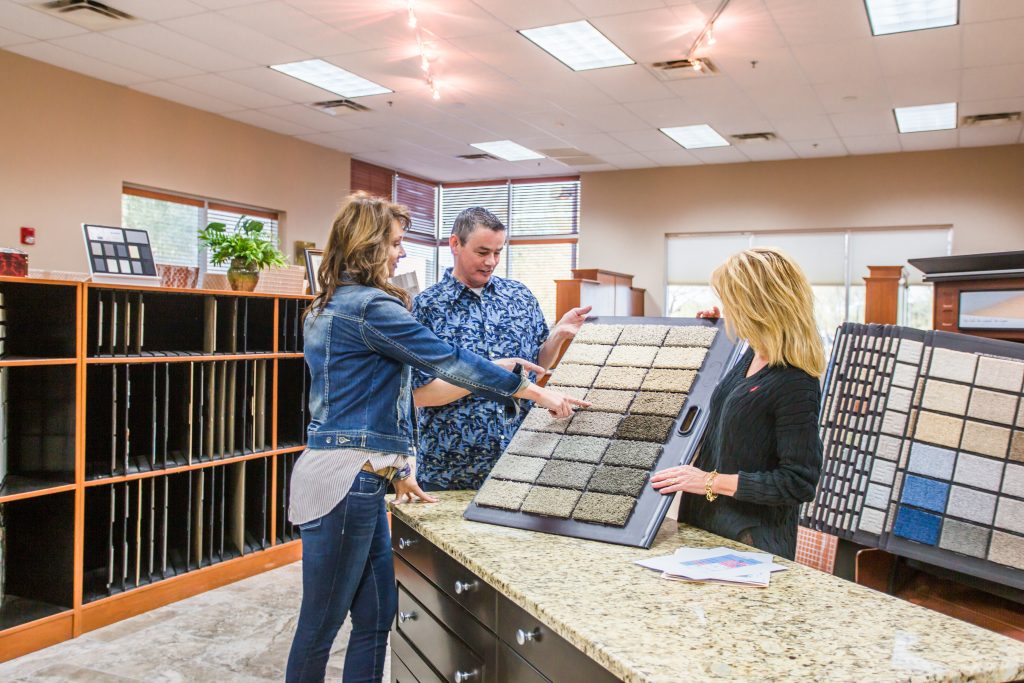
Cabinetry and flooring occupy large areas of the room, so their relationship plays a major role in the overall appearance.
Use Contrast to Define Surfaces
Cabinets and floors do not need to match exactly. In many designs, contrast creates stronger visual definition.
Examples include:
- dark cabinets paired with lighter wood floors
- white cabinets paired with medium-tone flooring
- gray cabinets paired with warm oak floors
Contrast helps each element stand out while maintaining harmony.
Consider Open Floor Plan Continuity
Many new homes feature continuous flooring throughout the main living areas.
Builders must ensure that flooring works with cabinetry throughout the entire space.
This includes coordination between:
- kitchens
- dining areas
- living rooms
- hallways
A flooring material that clashes with cabinetry can disrupt the flow of the entire home.
Coordinating Countertops and Flooring
Countertops and flooring are the two dominant horizontal surfaces inside a kitchen.
Manage Pattern and Texture Carefully
Both surfaces can introduce strong patterns. When both are visually busy, the design may feel chaotic.
A common design guideline is:
When one surface has a bold pattern, the other should remain subtle.
Examples include:
- marble countertops paired with simple hardwood floors
- patterned tile floors paired with minimal quartz countertops
This balance keeps the design visually stable.
Maintain Consistent Color Relationships
Countertops and flooring should complement each other without appearing identical.
Examples include:
- neutral quartz countertops paired with warm oak flooring
- light marble countertops paired with gray-toned wood floors
These combinations help maintain visual harmony across the space.
Lighting Can Change How Finishes Look
Lighting conditions can significantly affect how materials appear once installed.
Natural Light Changes Color Perception
Natural daylight often reveals the true color of materials. Artificial lighting may introduce warm or cool tones.
For builders, this means showroom selections may look different once installed in the home.
Examples include:
- countertops appearing darker in low light
- flooring tones shifting under warm lighting
Reviewing samples inside the home or model environment can prevent surprises.
Lighter Finishes Work Well in Low-Light Areas
Homes with limited natural light often benefit from lighter materials.
Examples include:
- lighter cabinetry
- reflective quartz countertops
- lighter wood flooring
These finishes help brighten the space and create a more open feel.
Practical Finish Planning Tips for Builders
Limit the Number of Dominant Materials
Too many finishes can overwhelm the design.
Most cohesive kitchens include:
- one cabinet finish
- one countertop material
- one flooring material
Limiting primary materials helps create clarity.
Use Accent Elements Strategically
Accent materials can introduce character without overpowering the space.
Examples include:
- backsplash tile
- contrasting kitchen islands
- decorative hardware finishes
Accent elements allow personalization while keeping the overall palette controlled.
Review Materials Together Before Finalizing Selections
Builders should evaluate materials as a group rather than individually.
Best practices include:
- placing cabinet samples next to countertop slabs
- comparing flooring planks with cabinetry
- reviewing selections under natural light
This process helps ensure all finishes work together before installation.
How Primera Helps Homebuilders Coordinate Interior Finishes
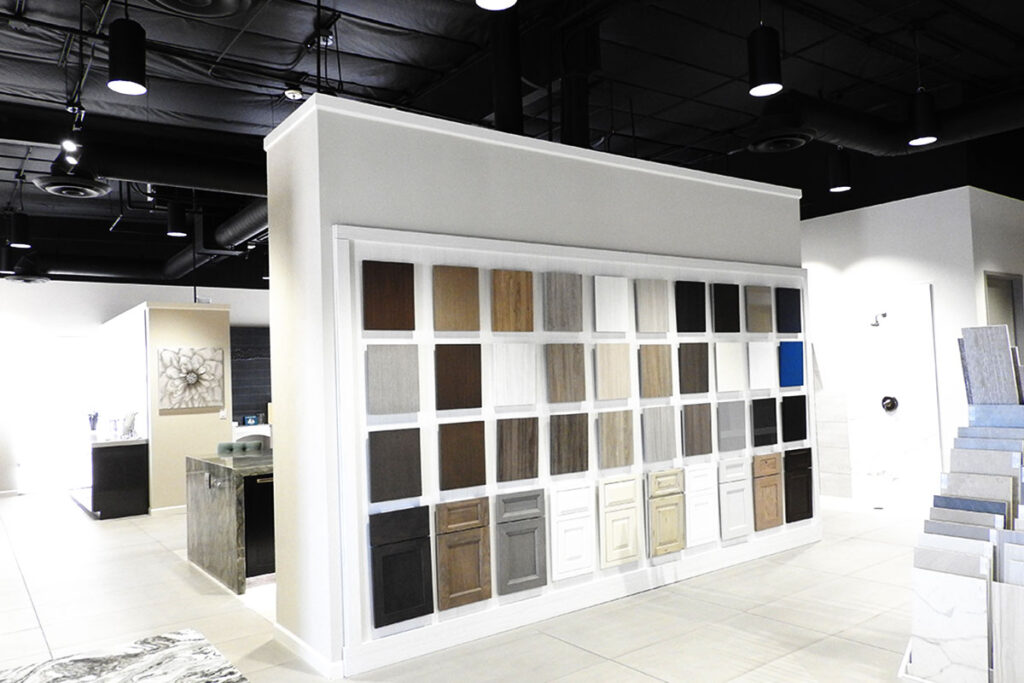
Homebuilders manage numerous design decisions across multiple homes and floor plans. Coordinating cabinetry, countertops, and flooring can become complex without the right support.
Primera works with builders, developers, and designers to simplify finish coordination through curated selections and expert guidance.
Services include:
- cabinetry design and installation
- countertop material selection and fabrication
- flooring options tailored for production homes and custom builds
- finish packages that maintain visual consistency across communities
By evaluating materials together, Primera helps builders create homes that feel professionally designed while maintaining construction efficiency.
Cohesive Finish Planning Elevates Builder Projects
Coordinating cabinetry, countertops, and flooring is one of the most important aspects of interior design in new home construction.
When these materials complement each other, homes feel intentional, balanced, and visually appealing. Thoughtful finish planning improves buyer perception and strengthens the overall value of the property.
Builders who approach finish selection strategically can deliver homes that stand out in competitive housing markets.
A cohesive interior finish strategy helps transform a collection of materials into a unified living environment.
Work with Primera to Coordinate Interior Finishes
If you are developing a new community or building custom homes, coordinating cabinetry, countertops, and flooring can significantly improve the final result.
Primera works with homebuilders to select interior finishes that complement each other while maintaining efficiency across multiple homes and floor plans.
Explore Primera’s cabinetry, countertop, and flooring options to create cohesive interior designs that strengthen buyer appeal and elevate your projects.
Frequently Asked Questions
Should cabinets match the flooring in new construction homes?
Cabinets and flooring do not need to match exactly. In most designs, complementary tones and contrast create a more balanced appearance.
What countertop materials work best for builder-grade homes?
Quartz is one of the most popular options because it offers durability, consistent patterns, and a wide range of color options suitable for production homes.
How many finish options should builders offer buyers?
Many builders offer two to four curated finish packages to simplify buyer decisions while maintaining design consistency across the community.
What is the easiest way for builders to coordinate finishes?
Starting with cabinetry as the anchor element and selecting countertops and flooring that complement its tone is one of the most effective strategies.
Why is finish coordination important for model homes?
Model homes set buyer expectations. Coordinated finishes create a strong visual impact and help buyers envision the design potential of the home.