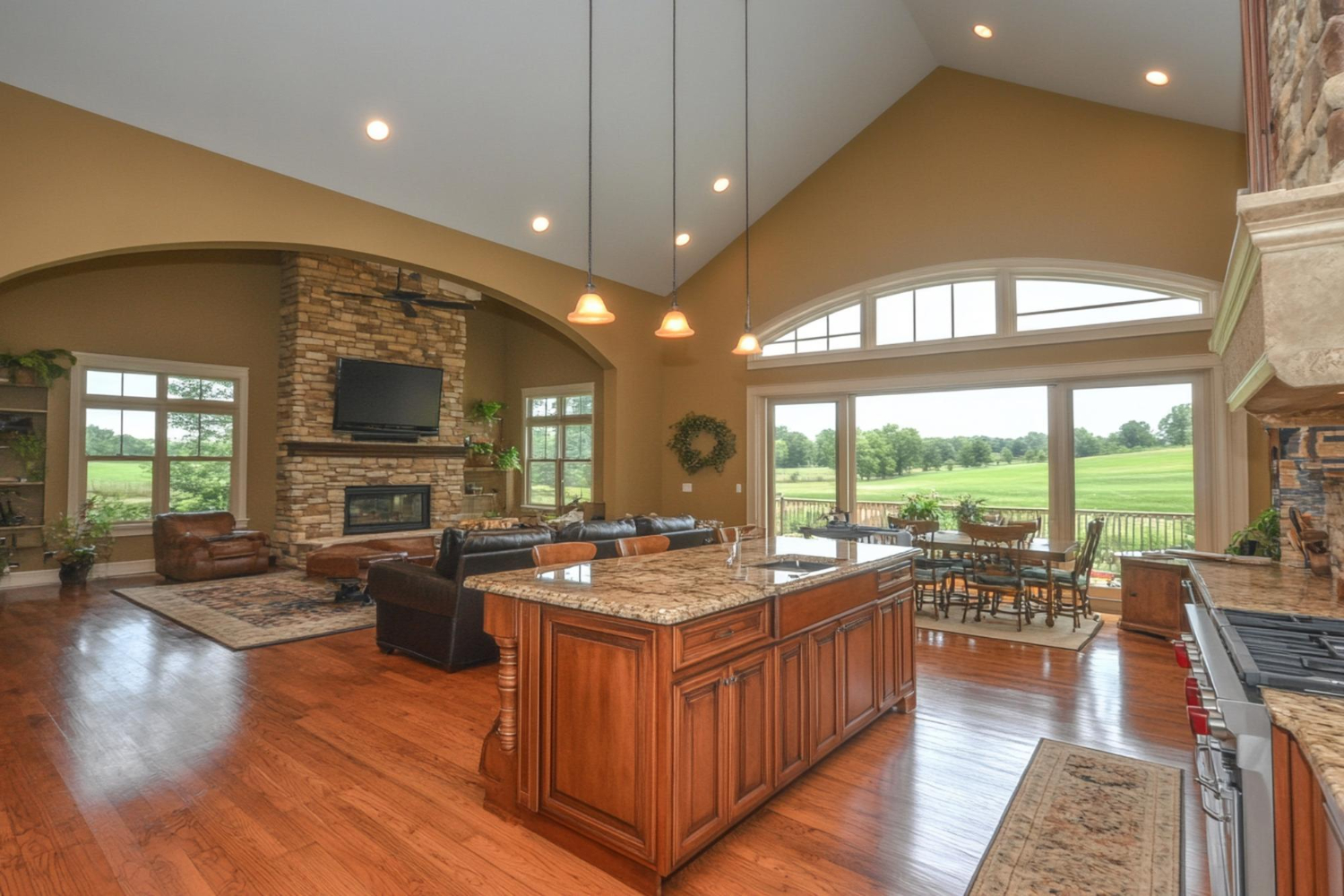
Build schedules get harder to control when interior finishes are treated as separate, late-stage details. Cabinets, countertops, flooring, tile, and window coverings all affect sequencing, trade coordination, buyer satisfaction, and closeout timing.
A streamlined schedule starts with earlier selections, better product coordination, realistic lead-time planning, clear communication, and trade partners who understand builder timelines. When those pieces are handled well, projects move with fewer delays, fewer change-order surprises, and less pressure near the finish line.
Primera helps builders, designers, and commercial developers coordinate interior products, design center selections, purchasing, delivery, installation, service, and warranty support across key finish categories.
Why Interior Finish Coordination Can Make or Break the Build Schedule
Finish Delays Create a Chain Reaction
Interior finish delays can quickly affect the rest of the build schedule. Cabinets, countertops, flooring, tile, and window coverings are all connected to other trades and closeout steps.
Common schedule impacts include:
- Cabinet delays can hold up countertop templating.
- Countertop delays can affect the completion of plumbing fixtures.
- Flooring delays can affect baseboards, appliance installation, cleaning, and final walkthroughs.
- Tile delays can slow bathrooms, showers, backsplashes, and final punch work.
- Window-covering delays can affect the final presentation and homeowner readiness.
Interior finishes often arrive late in the project, when there is less room for delay. A small issue near the end of the build can create pressure across multiple trades. Builders need finish partners who understand sequencing, field conditions, installation timing, and the impact each finish category has on the next step.
Homebuyer Selections Need Structure
Homebuyer selections can slow the schedule when the process is not clearly managed. Buyers may feel overwhelmed by too many options. Late changes can affect product orders, pricing, delivery, and installation dates. Unclear upgrade paths can also slow decision-making, and missing approvals can hold up purchasing.
Primera’s design centers help homebuyers compare and choose options for cabinetry, countertops, flooring, wall tile, and window coverings with professional consultation and technology-supported design experiences.
To keep selections from slowing the build, builders should:
- Set selection deadlines early.
- Clarify standard options, upgrade options, and lead times.
- Document every approved selection.
- Connect selections directly to purchasing and installation.
- Confirm changes before materials are ordered.
A structured selection process helps reduce confusion for buyers and gives purchasing, field, and installation teams the information they need on time.
The Right Trade Partner Reduces Friction
The right interiors partner can reduce schedule friction from selection through installation. Builders need a partner that understands the full path from buyer choices to field execution.
Key capabilities include:
- Product knowledge
- Selection support
- Ordering accuracy
- Installation scheduling
- Field coordination
- Service and warranty support
Primera offers design, purchase, delivery, and installation of cabinetry, countertops, flooring, and tile products for commercial projects and serves homebuilders with a broad range of interior finish capabilities. That type of support helps builders manage finishes as connected scopes instead of isolated tasks.
Way 1: Lock Interior Selections Earlier in the Process

Set Selection Deadlines Before Field Pressure Builds
Early selections give builders more control over ordering, lead times, substitutions, pricing, and installation planning. When cabinets, countertops, flooring, tile, and window coverings are selected late, the schedule can tighten fast.
Builders should:
- Establish selection windows tied to construction milestones.
- Require final approvals before ordering.
- Document product choices in one shared system.
- Flag long-lead items early.
- Communicate selection deadlines to buyers at contract signing.
Earlier decisions give purchasing and installation teams more time to plan before field pressure builds.
Use Design Center Appointments to Reduce Decision Delays
Structured design center appointments help buyers make decisions faster by allowing them to see and touch finishes in one place. Designers can guide choices, keep selections aligned, and reduce uncertainty with visual displays and pricing clarity.
Primera’s design centers give buyers a hands-on experience with cabinetry, countertops, flooring, wall tile, and window coverings. Primera also uses tools such as VEO Design Studio and visualizers to help buyers narrow options and view selections in simulated room settings.
Reduce Change Orders With Clear Upgrade Paths
Late finish changes can affect procurement, pricing, delivery, and labor scheduling. Clear upgrade paths help buyers make decisions earlier and reduce unnecessary revisions.
A stronger approach includes:
- Presenting curated options by home series, floor plan, or buyer profile.
- Separating standard options from upgrades.
- Showing upgrade pricing early.
- Confirming how changes affect the schedule.
- Requiring written approval for revisions.
Primera offers a wide selection of cabinetry, countertops, flooring, wall tile, and window coverings, supporting standard packages, upgrade programs, and more structured buyer-selection experiences.
Way 2: Coordinate Cabinetry, Countertops, Flooring, Tile, and Window Coverings as One Interior Package
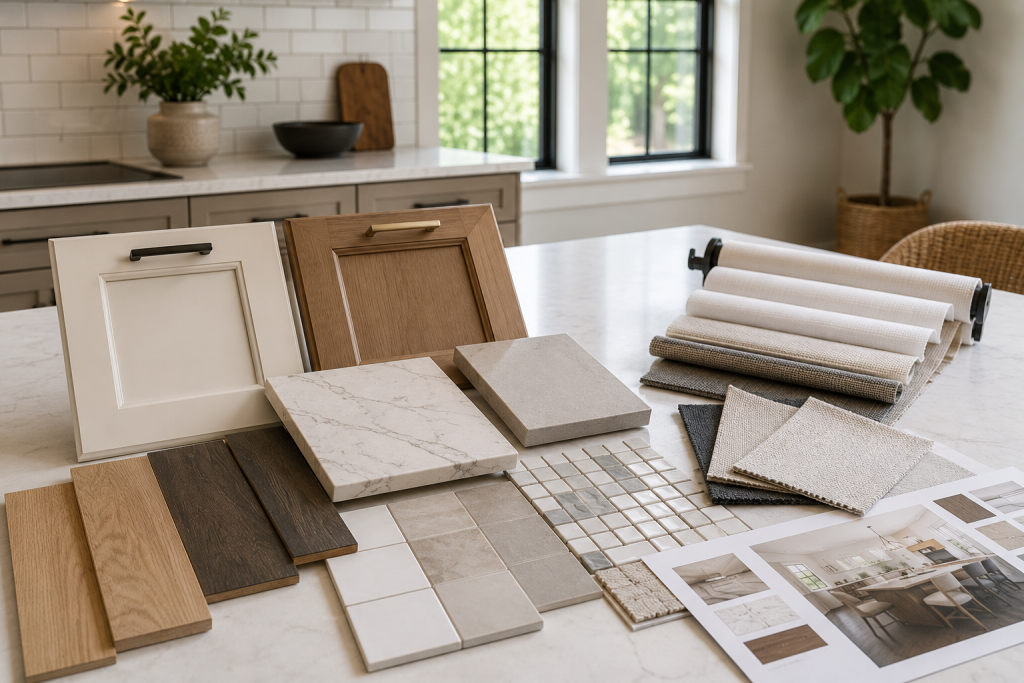
Stop Managing Finish Categories in Silos
Interior finish categories are connected. When they are managed separately, small delays can create bigger schedule problems.
Cabinet timing affects countertop templating. Flooring selections can affect trim, transitions, and appliance installation. Tile selections affect showers, backsplashes, and wet area schedules. Window coverings may be pushed late in the process, creating last-minute closeout pressure.
Builders should manage finishes as connected scopes with clear order dates, delivery dates, install windows, and inspection points. One issue in a finish category should trigger a review of any dependent scopes before it causes a larger schedule shift.
Build a Sequencing Plan Around Dependencies
A reliable finish schedule should account for how each trade affects the next. Cabinets need to be installed before countertop templating. Countertops may need to be installed before certain plumbing finishes. Tile prep needs to be complete before installing the shower, wall tile, or backsplash.
Flooring should be scheduled around cabinetry, trim, paint, appliance delivery, and final cleaning. Window-covering measurements and installation should also be coordinated before turnover, when needed.
Practical planning steps include:
- Confirm field readiness before crews arrive.
- Sequence materials by install phase.
- Avoid storing finish materials onsite before the home is ready.
- Review changes against the master schedule.
Use a Partner With Broad Interior Finish Capabilities
A broader interiors partner can reduce handoffs, improve communication, coordinate finish categories more efficiently, and provide more accountability from bid through completion.
Primera provides cabinetry, countertops, flooring, wall tile, and window coverings, along with design and installation services. Primera also operates hard surface fabrication facilities in Arizona and Nevada for countertop work, supporting craftsmanship and coordination.
When cabinetry, countertops, and flooring are coordinated by a single experienced interiors partner, scheduling conflicts can be identified earlier rather than during final construction stages.
Way 3: Build the Schedule Around Product Lead Times and Installation Readiness
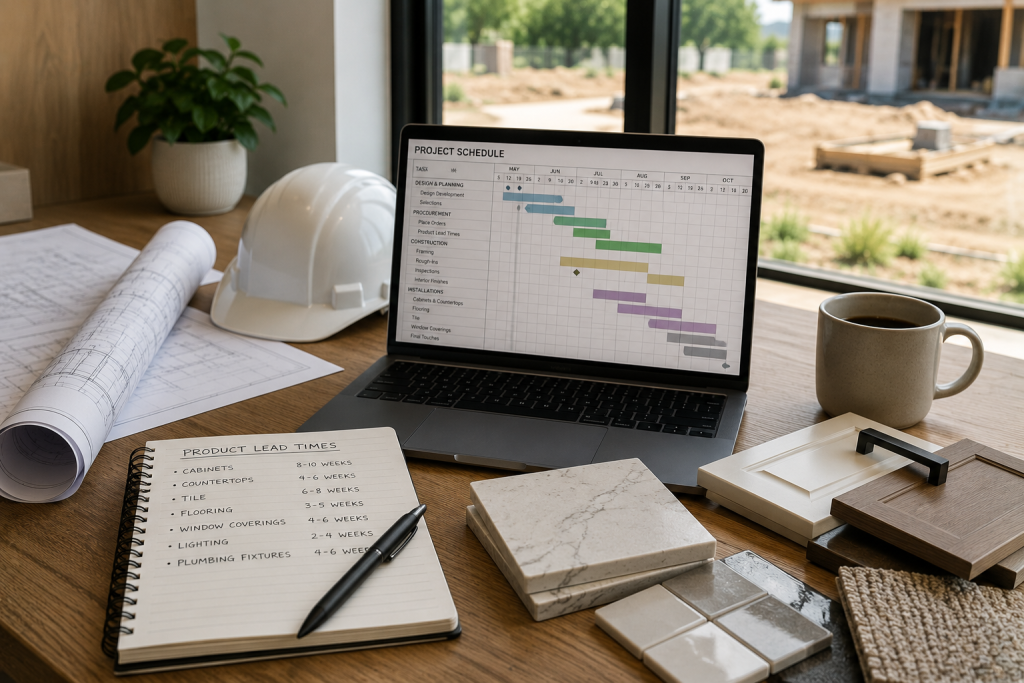
Identify Long-Lead Items Early
Product lead times can affect the build schedule before the field team ever reaches the installation phase. Specialty cabinet finishes, custom countertop materials, imported tile, large-format tile, premium flooring, specialty window coverings, custom accessories, and hardware should all be reviewed early.
Builders should:
- Review lead times during selections.
- Confirm stock status before promising installation windows.
- Create alternates for high-risk materials.
- Communicate substitutions early when needed.
- Track order status through each project phase.
Early visibility helps purchasing and field teams plan around actual material availability rather than optimistic timelines.
Confirm Site Readiness Before Installation
Installation delays often happen because the home is not ready when crews arrive. Incomplete drywall or paint, moisture issues, unfinished electrical or plumbing rough-in, cabinets that are not level, poor substrate prep, and missing access can all slow installation.
Before crews are scheduled, confirm:
- The home is clean and accessible.
- Prior trades are complete.
- Measurements are confirmed before ordering or fabrication.
- Substrate conditions are ready for tile or flooring.
- Finished surfaces have a protection plan.
- The builder point of contact is available for field decisions.
A readiness check helps avoid wasted trips, rescheduling, and late-stage conflicts between trades.
Protect Installed Finishes to Avoid Rework
A finish installed on time can still slow the schedule if it gets damaged before turnover. Flooring, countertops, tile, cabinetry, and window coverings all need protection once installed.
Practical steps include:
- Use surface protection after installation.
- Limit unnecessary traffic through finished rooms.
- Coordinate final trade access.
- Inspect finishes promptly.
- Address punch items quickly.
For example, flooring installed before heavy trade traffic may need protection to avoid scratches, chips, or cleaning delays before the homeowner’s walkthrough.
Way 4: Improve Communication Between Sales, Design, Purchasing, Field, and Installation Teams
Create One Source of Truth for Selections
Building schedules becomes harder to manage when final selections are scattered across email chains, notes, or disconnected systems. Sales, design, purchasing, field, and installation teams all need access to the same approved information.
The selection record should include:
- Buyer selections
- Approved upgrades
- Product SKUs
- Color names
- Finish names
- Quantities
- Install locations
- Change orders
- Deadlines
Builders should avoid relying on email chains for final selections. Field teams need access to current finish information, revision history should be clear, and every change should be confirmed before ordering.
Connect Design Decisions to Field Execution
A design decision that looks simple in the showroom can require extra field coordination. Changes to tile patterns may affect labor time. Countertop edge details may affect fabrication. Cabinet hardware placement may need clarification. Flooring direction may affect transitions.
To reduce field issues:
- Review unusual selections before ordering.
- Flag installation notes clearly.
- Confirm custom details with the field team.
- Include installers in complex design conversations when needed.
This keeps design intent connected to real installation requirements.
Use Technology to Track Jobs From Start to Completion
Primera states that it uses technology to track jobs from first contact to completion. That matters because builders need visibility into selections, orders, scheduling, installation, service, and warranty.
Better tracking helps teams reduce last-minute surprises, spot issues earlier, and respond before problems affect closing dates.
Practical steps include:
- Track milestones by lot, phase, and finish category.
- Review exceptions weekly.
- Share updates with builder contacts.
- Escalate risks before the install date.
Way 5: Choose a Trade Partner Built for Builder Schedules
Look for Design, Purchasing, Delivery, and Installation Support
A strong interiors partner should support the full path from buyer selections to finished installation. Builders need more than product availability. They need a partner who can help keep selections, purchasing, delivery, installation, service, and warranty work moving in tandem.
Key support areas include:
- Design center support
- Product guidance
- Purchasing support
- Delivery coordination
- Installation crews
- Field service
- Warranty response
Primera supports design, purchase, delivery, and installation for cabinetry, countertops, flooring, and tile products. Primera also has an in-house installation and service division, field operations management, professional field touch-up technicians, and a stocked warehouse.
Builders get more accountability when one partner can support the process from selection through completion.
Prioritize Scale and Regional Coverage
Production builders need partners who can handle volume. Multi-market builders need consistency across locations. Regional coverage helps builders coordinate communities across multiple metro areas without having to rebuild the process from scratch.
Primera serves builders, designers, and commercial developers across five western states and has design centers and locations in Arizona, Nevada, Colorado, California, and New Mexico, supported through the Tempe office.
For better scheduling, builders should:
- Standardize options where possible.
- Keep local service support available.
- Coordinate community-level schedules across phases.
Evaluate Service and Warranty Response
Post-install support can still affect the build schedule. Punch items can delay closing, warranty issues can strain builder relationships with buyers, and field touch-up capability can reduce disruption.
Primera offers installation, service, warranty support, professional field touch-up technicians, responsive customer service, and a single point of contact.
Before the project starts, builders should review service response expectations, define punch-list timelines, track recurring issues by product or community, and use warranty feedback to improve future schedules.
Why Choose Primera as a Build Schedule Partner

Broad Interior Finish Capabilities
Primera provides cabinetry, countertops, flooring, wall tile, and window coverings for homebuilders, independent designers, and commercial developers. That broad product range gives builders a single partner across several finish categories that directly affect the schedule.
A broader interior partner can help reduce handoffs, connect dependent scopes, and coordinate finish timing more efficiently. Instead of managing each finish category separately, builders can work through a more connected process from selection to installation.
Design Center and Technology Support
Primera supports builders through design centers across multiple markets, professional design consultants, visualization tools, and a technology-enabled selection process. Primera’s design centers and VEO Design Studio help buyers review options, visualize selections, and understand pricing with more clarity.
Primera also uses technology to track jobs from first contact to completion. That matters because selections, orders, installation dates, service items, and warranty needs all affect the builder’s timeline. Better tracking helps teams identify issues earlier and reduce last-minute schedule surprises.
Installation, Service, and Warranty Support
Field execution matters just as much as product selection. Primera supports builders with certified employee installers, an in-house installation and service division, field operations management, professional field touch-up technicians, responsive customer service, and single-point-of-contact support.
That level of field support helps builders keep projects moving after materials are selected and ordered. When installation, service, and warranty support are tied into the same process, punch items can be addressed faster, communication stays cleaner, and builders have a more reliable partner from design center appointment through closeout.
A Faster Build Schedule Starts With Better Interior Coordination
Builders can streamline schedules by treating interior finishes as a single, connected process rather than separate, last-minute scopes. Cabinets, countertops, flooring, wall tile, and window coverings all affect each other, and better coordination can reduce avoidable delays near the end of the build.
The most effective schedule improvements come from practical steps:
- Lock selections earlier.
- Coordinate finish categories together.
- Plan around lead times and install readiness.
- Improve communication across sales, design, purchasing, field, and installation teams.
- Choose a partner built for builder schedules.
Earlier selections, integrated product coordination, realistic lead-time planning, clear communication, and the right trade partner all help create a smoother path from the design center appointment to the final installation.
Primera helps builders bring interiors to life through design center support, broad product categories, purchasing, delivery, installation, job tracking, service, and warranty support.
Contact Primera to discuss cabinetry, countertops, flooring, wall tile, window coverings, design center services, installation, and service support for your next community..
FAQs
How can builders streamline a build schedule?
Builders can streamline a build schedule by locking in selections earlier, coordinating interior finish categories, planning around product lead times, confirming site readiness, and working with trade partners who support design, delivery, installation, and service.
Why do interior finishes cause construction delays?
Interior finishes can cause delays when selections are late, products have long lead times, field conditions are not ready, materials are damaged, or installation schedules are not coordinated across cabinets, countertops, flooring, tile, and window coverings.
How do design centers help builders stay on schedule?
Design centers help buyers make finish selections in a structured setting. They can reduce decision delays, clarify upgrade options, support visualization, and move approved selections into purchasing and installation.
Why should builders coordinate cabinets and countertops together?
Cabinet timing affects countertop templating, fabrication, and installation. Coordinating both scopes helps reduce delays and keeps dependent trades moving