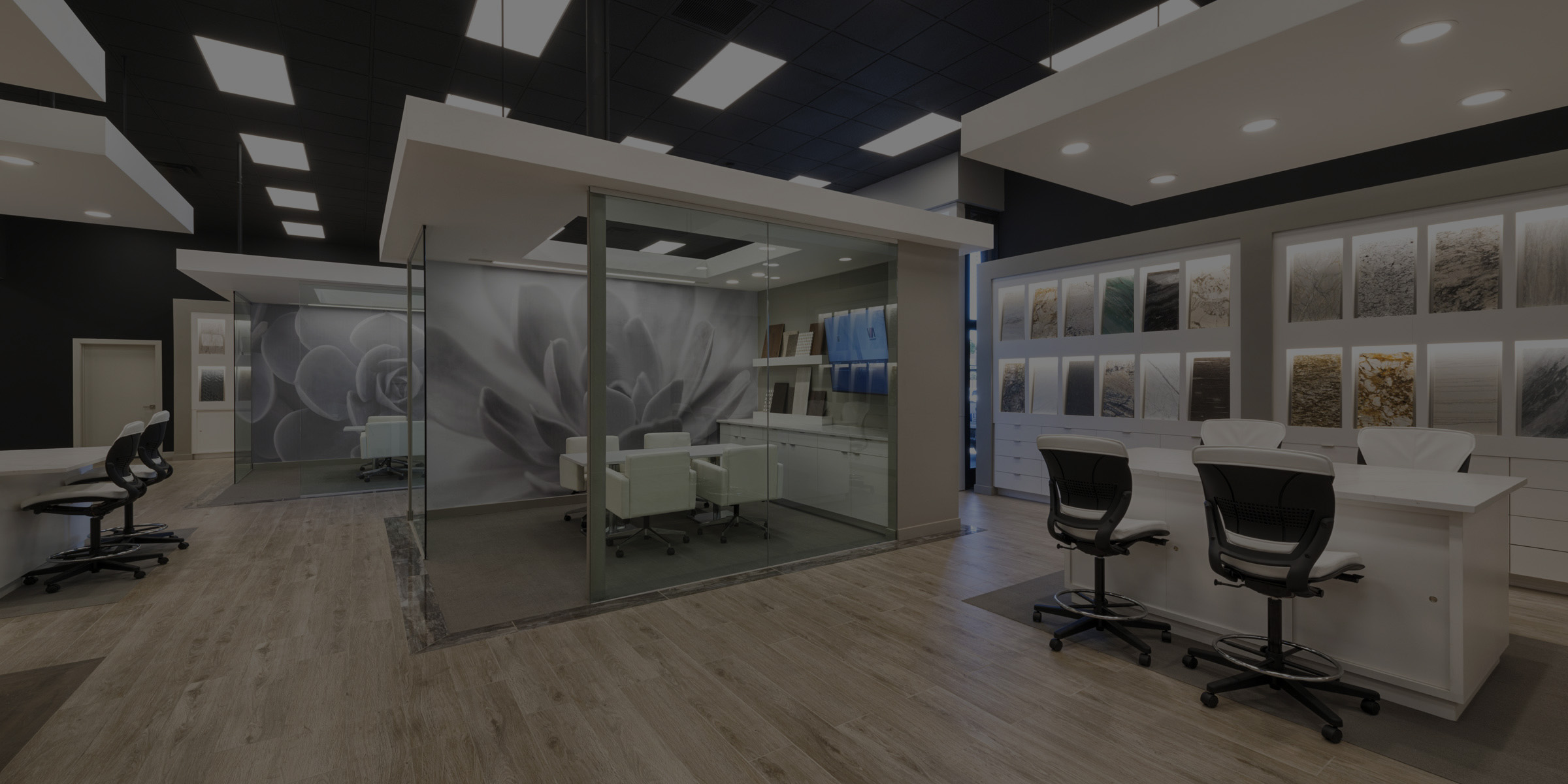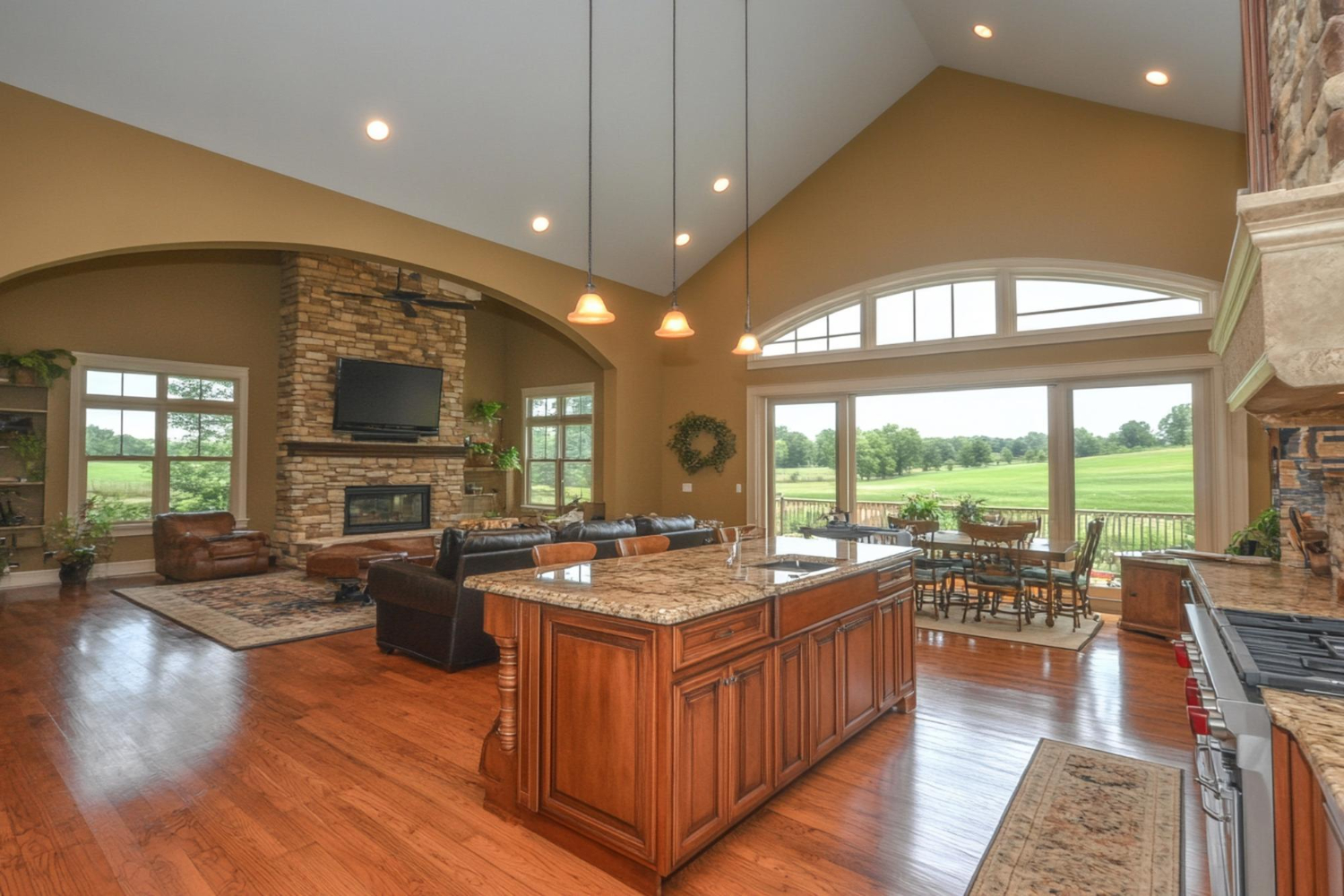
Cabinetry, countertops, flooring, wall tile, backsplashes, hardware, and window coverings all affect how the buyer feels about the home. These choices also affect budget, construction timelines, installation coordination, change orders, and the builder’s overall reputation.
That is why the design center plays such an important role.
A strong design center gives homebuyers a structured, guided way to make selections. It helps them understand what is included, what can be upgraded, how finishes work together, and how their decisions affect the final home. For builders, it creates a cleaner path from selection to specification to installation.
Primera works with residential homebuilders by supporting major interior finish categories, including cabinetry, countertops, flooring, wall tile, and window coverings. With design center services and installation coordination, Primera helps builders make the finish selection process easier for buyers and more manageable for internal teams.
Why the Design Center Experience Matters
Homebuyers are making a large financial and emotional decision. They want to feel confident that the home they selected will look finished, feel personal, and fit the way they live.
The challenge is that most buyers are not designers. They may know what they like when they see it, but they may struggle to build a complete, finished package from individual samples. A cabinet door may look great on its own. A countertop may look great on its own. A flooring sample may look great on its own. The real question is whether those selections work together across the entire home.
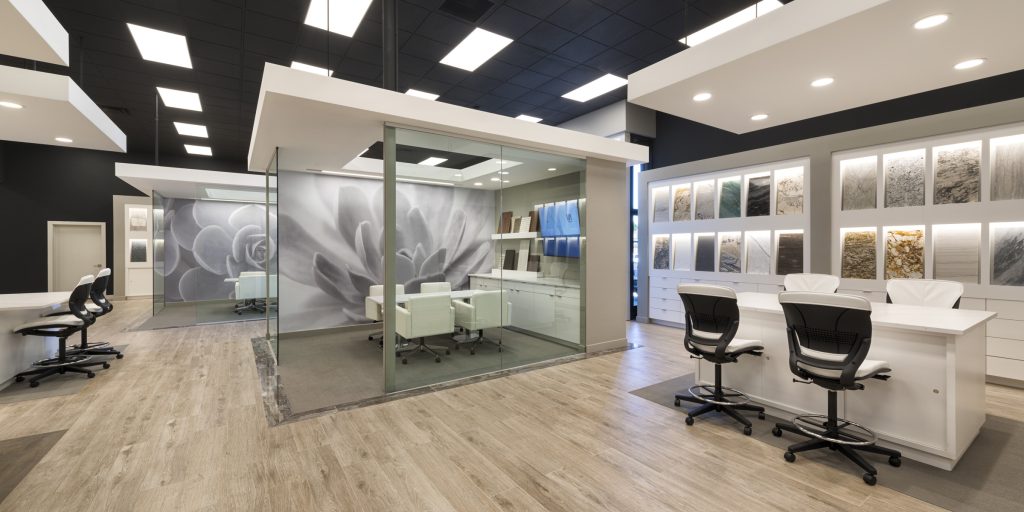
A properly organized design center helps buyers see finishes in context. Instead of asking them to make decisions from a product list, it gives them access to samples, displays, coordinated options, and professional guidance. Buyers can compare finishes in person and better understand how each selection affects the home’s look and function.
The Design Center Should Support the Sales Process
The design center should be introduced before the buyer sits in a selection appointment. It should be part of the sales conversation from the beginning.
When a buyer tours a model home, they are already responding to finishes. They notice the kitchen cabinets, the flooring, the countertops, the bathroom tile, and the overall feel of the space. The sales team should be prepared to explain how those finishes relate to the buyer’s future selection process.
That means sales teams should know which finishes are standard, which are upgrades, and which design center options can help the buyer achieve a similar look.
That type of conversation sets expectations early. It also makes the design center feel like part of the value of buying new construction.
Builders can use the design center as a sales asset by:
- Referencing it during model home tours
- Explaining the selection process before contract signing
- Showing buyers how personalization works
- Clarifying what is included versus what is upgraded
- Helping buyers understand when selections need to be finalized
This reduces confusion later. It also helps buyers feel like they are entering a guided process rather than being handed a long list of decisions after the sale.
Reduce Buyer Overwhelm with a More Focused Selection Process
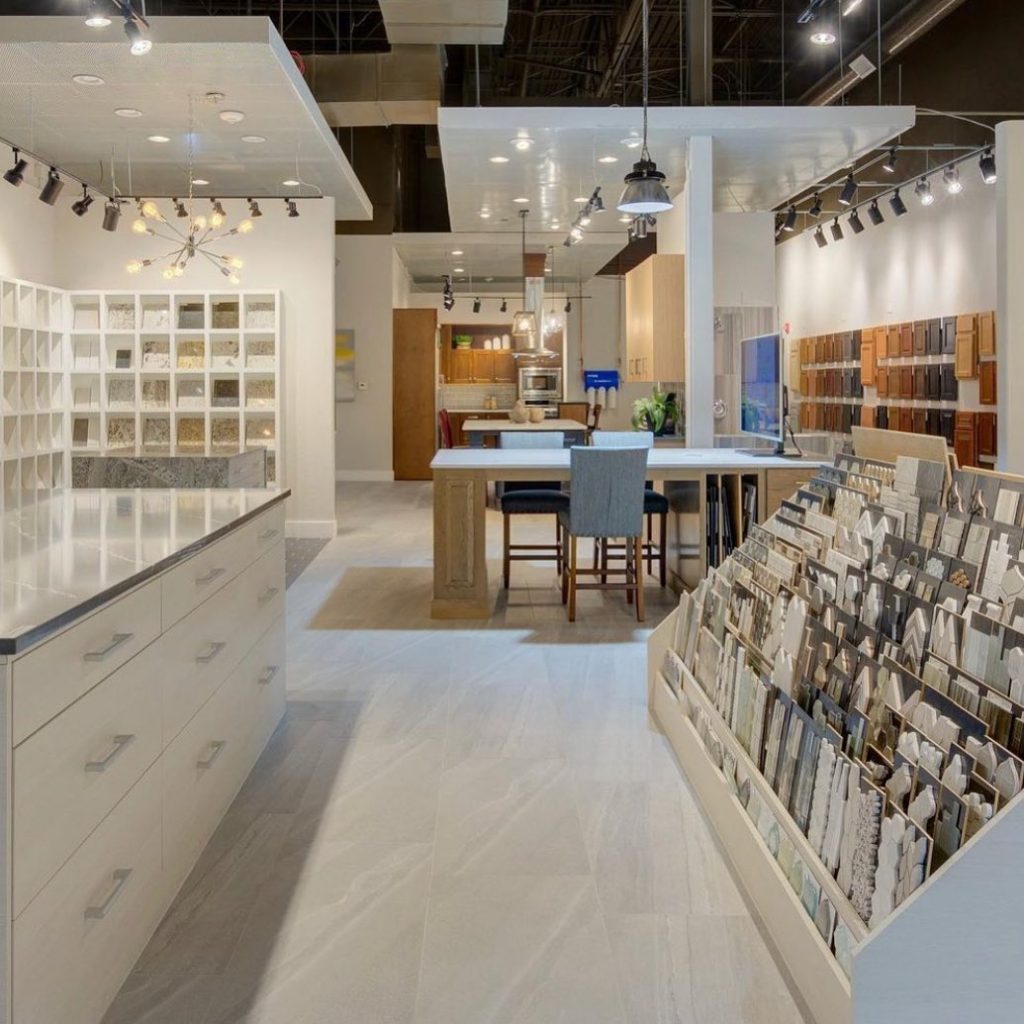
Buyers want choice, but they also want direction. When too many finishes are presented without structure, the process becomes tiring. Buyers may second-guess themselves, delay decisions, or ask for multiple revisions because they are unsure what works.
Instead of showing every possible option at once, builders should organize selections to help buyers move through their decisions with confidence.
This can include:
- Finish collections by home series
- Standard, enhanced, and premium packages
- Coordinated cabinet and countertop pairings
- Flooring options grouped by lifestyle needs
- Tile packages based on bathroom or kitchen style
- Window covering options based on privacy, light control, and move-in readiness
The goal is not to limit the buyer, but to make the buying process easier to understand.
Help Buyers Understand What They Are Paying For
Upgrade conversations can become uncomfortable when buyers do not understand the value behind the cost.
A buyer may see a countertop upgrade as just a higher price. A good design center consultant can explain the practical difference between the options. That may include durability, maintenance, appearance, consistency, long-term performance, or the material’s support for the home’s overall look.
The same applies to cabinetry, flooring, tile, and window coverings.
- For cabinetry, buyers may care about storage, finish, door style, hardware, and how the kitchen functions in everyday use.
- For countertops, buyers may care about maintenance, stain resistance, edge profiles, and the way the surface looks with the cabinet finish.
- For flooring, buyers may care about pets, children, durability, cleaning, comfort, and performance in high-traffic areas.
- For tile, buyers may care about the shower’s appearance, backsplash design, grout selection, and how finished the bathroom or kitchen feels.
- For window coverings, buyers may care about privacy, light control, energy comfort, and having the home feel complete at move-in.
When consultants explain upgrades in the context of the buyer’s daily life, the conversation becomes more useful. The buyer is no longer choosing from a price sheet. They are deciding where added investment makes sense for their home.
Use Design Centers to Improve Selection Accuracy
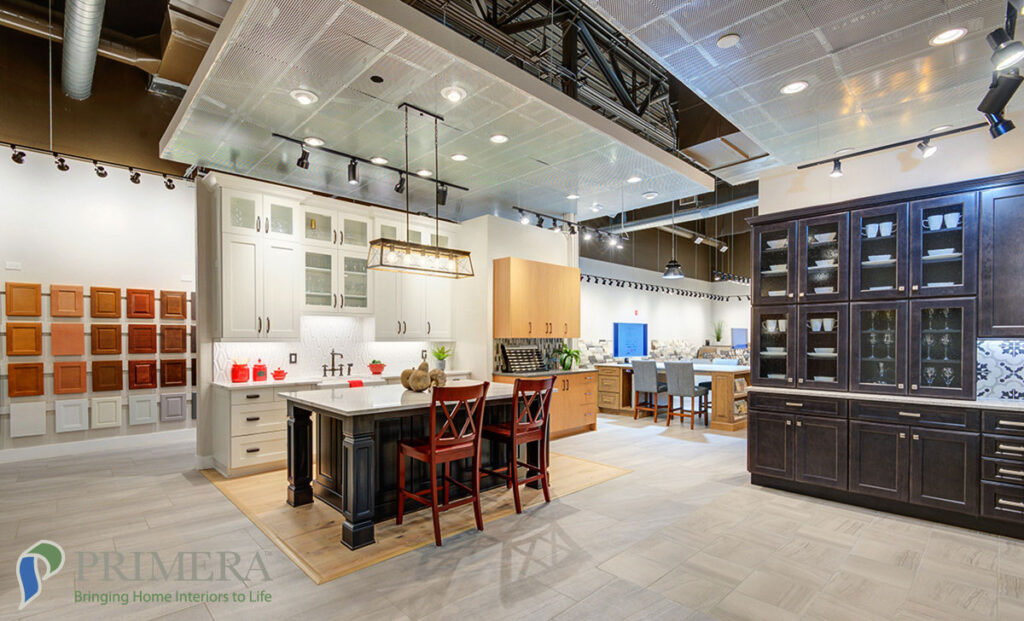
Every finished decision needs to be documented clearly and transferred correctly to the teams responsible for ordering, scheduling, and installation. If that handoff breaks down, the buyer experience suffers even if the appointment felt successful.
Cabinet selections need to match the plan. Countertop selections need correct materials, edges, sinks, and installation details. Flooring needs to be assigned by room with correct transitions. Tile selections need layout details, grout information, and pattern notes. Window coverings need correct locations, measurements, and product specifications.
By working with an interior finish partner that understands both product selection and installation, builders can create a smoother path from design center appointment to completed home.
Keep the Process Consistent Across Communities
For builders with multiple communities, consistency becomes a major advantage.
Each community may have different home plans, buyer profiles, price points, and finish expectations. Still, the selection process itself should feel organized and repeatable.
A consistent design center process helps builders manage growth without creating unnecessary complexity.
At the same time, builders should avoid forcing the exact same finish menu across every community when buyers’ expectations differ.
Make the Design Center Experience More Buyer-Friendly Before the Appointment
Buyers should not walk into the appointment cold. They should already understand what they will be selecting, how long the appointment may take, and how to think about their budget.
Before the appointment, builders can send a simple preparation guide that includes:
- What categories will be selected
- What to bring to the appointment
- How to think about budget priorities
- Which decisions are most important to finalize early
- How changes are handled after the appointment
- What happens after selections are approved
This helps buyers arrive prepared. It also reduces the amount of time spent explaining basic process details during the appointment.
Builders can also encourage buyers to consider their lifestyle before choosing finishes.
Useful pre-appointment questions include:
- Do you have children or pets?
- Which rooms matter most to you?
- Do you cook often?
- Do you prefer low-maintenance materials?
- Are you focused on resale appeal?
- Do you want the home to feel move-in ready?
- Which upgrades are most important to your budget?
These questions help buyers make practical decisions rather than purely visual ones.
Use Design Centers to Support Construction Timelines
Cabinetry, countertops, flooring, tile, and window coverings all require coordination. Some selections have longer lead times. Some decisions affect other trades. Some changes can trigger pricing updates or installation adjustments.
Builders should use the design center to protect the build schedule by setting clear deadlines.
The design center team can also help flag potential issues before they become field problems. If a product has limited availability, if a selection does not align with the plan, or if a buyer wants a finish that requires special installation detail, those items should be addressed early.
Turn the Design Center Into a Revenue Driver
When buyers understand their options, they are more likely to choose upgrades that matter to them. The key is to make upgrade paths clear, practical, and easy to compare.
Builders should track which upgrades buyers select most often. This data can help improve future design center offerings.
Useful categories to review include:
- Cabinet door styles and finishes
- Countertop material upgrades
- Flooring upgrade rates
- Bathroom tile selections
- Kitchen backsplash selections
- Window covering package adoption
- Average upgrade spend by community
- Upgrade performance by buyer segment
This information can help builders refine packages and remove options that create confusion without producing sales.
How Primera Helps Homebuilders Improve the Design Center Experience
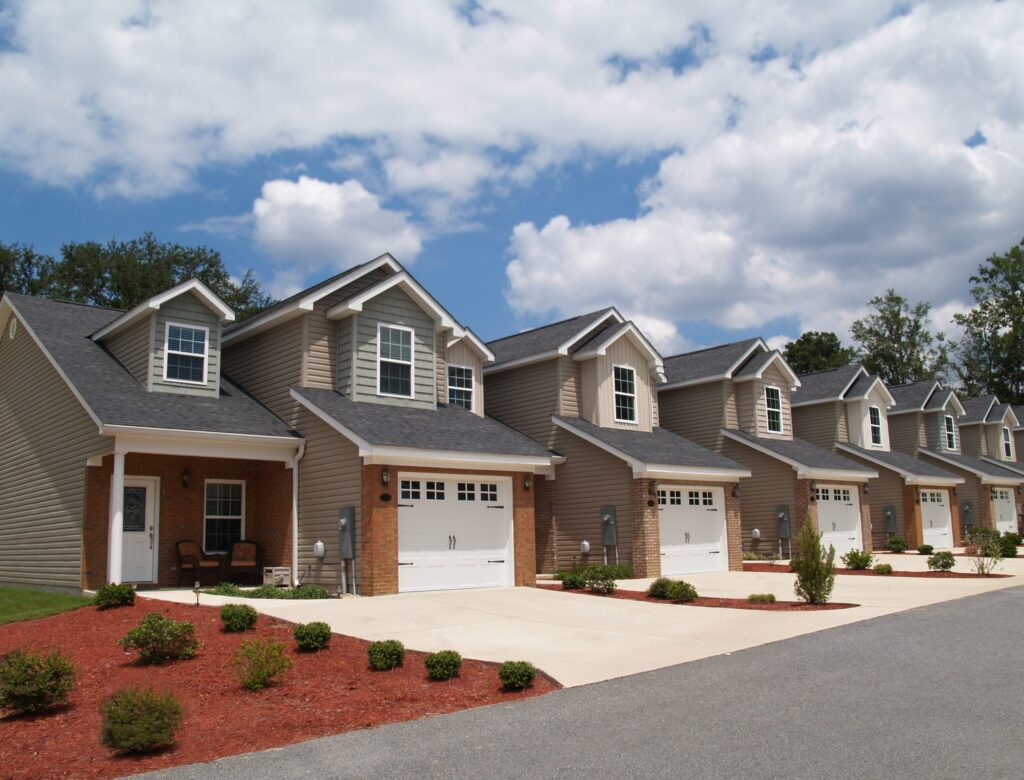
Primera is positioned to help homebuilders simplify the interior finish process by supporting several major finish categories through a single partner.
A buyer’s interior selections do not exist in separate silos. Cabinetry affects countertops. Countertops affect backsplashes. Flooring affects the entire color palette. Wall tile is used in kitchens, bathrooms, and laundry spaces. Window coverings affect privacy, comfort, and move-in readiness.
When these categories are coordinated through an experienced finish partner, builders can create a more connected experience for buyers.
Primera supports builders with:
- Cabinetry options for different home styles and price levels
- Countertops that support both design and durability goals
- Flooring selections that fit community needs and buyer lifestyles
- Wall tile for kitchens, bathrooms, showers, and backsplashes
- Window coverings that add function and finish to the home
- Design center services that help buyers compare and select options
- Installation support that helps carry selections into the finished home
This combination supports both sides of the process. Buyers receive a more guided experience. Builders receive a more organized way to manage interior finishes across homes and communities.
A Better Design Center Creates a Better Homebuying Experience
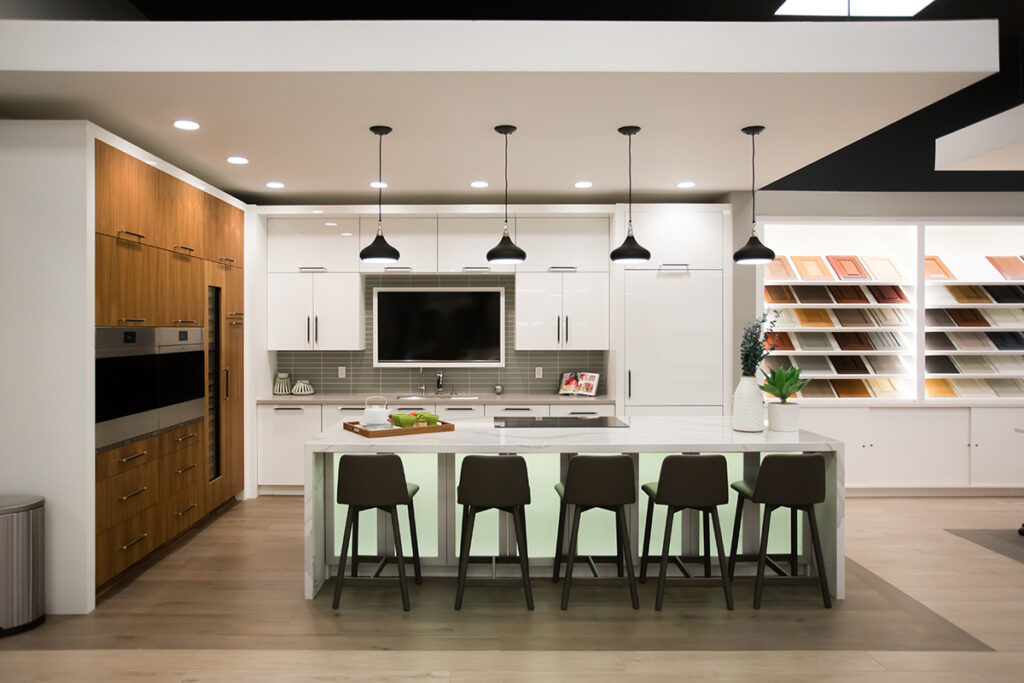
It helps buyers move from inspiration to decisions. It gives them a place to compare finishes, ask questions, understand upgrades, and create a home that feels personal. It also gives builders a structured process for managing selections, documentation, installation details, and buyer expectations.
For homebuilders, improving the design center experience can lead to stronger buyer satisfaction, better upgrade performance, fewer selection issues, and more consistent finish execution across communities.
Primera helps residential homebuilders simplify that process with interior finish solutions, design center support, and installation coordination across cabinetry, countertops, flooring, wall tile, and window coverings.
FAQs
How does a design center improve the homebuyer experience?
A design center provides buyers with a guided space to review finishes, compare options, and make selections with professional support. It helps them understand how cabinetry, countertops, flooring, tile, and window coverings work together in the finished home.
What finish categories should a builder design center include?
Most builder design centers include cabinetry, countertops, flooring, wall tile, kitchen backsplashes, bathroom tile, hardware, and window coverings. The exact selection should match the builder’s communities, price points, and buyer expectations.
How can builders reduce buyer overwhelm during finish selections?
Builders can reduce overwhelm by using curated finish packages, clear upgrade tiers, coordinated palettes, and trained design consultants. Buyers need enough choice to personalize the home, but they also need structure to make decisions confidently.
Can a design center help increase upgrade revenue?
Yes. When buyers understand the value behind upgrades and can see coordinated finish options, they are more likely to invest in selections that improve the home’s look, function, and move-in experience.
How does Primera support residential homebuilders?
Primera supports residential homebuilders with interior finish products and services across cabinetry, countertops, flooring, wall tile, and window coverings. Primera also offers design center services and installation coordination to help builders create a smoother selection and finish process.