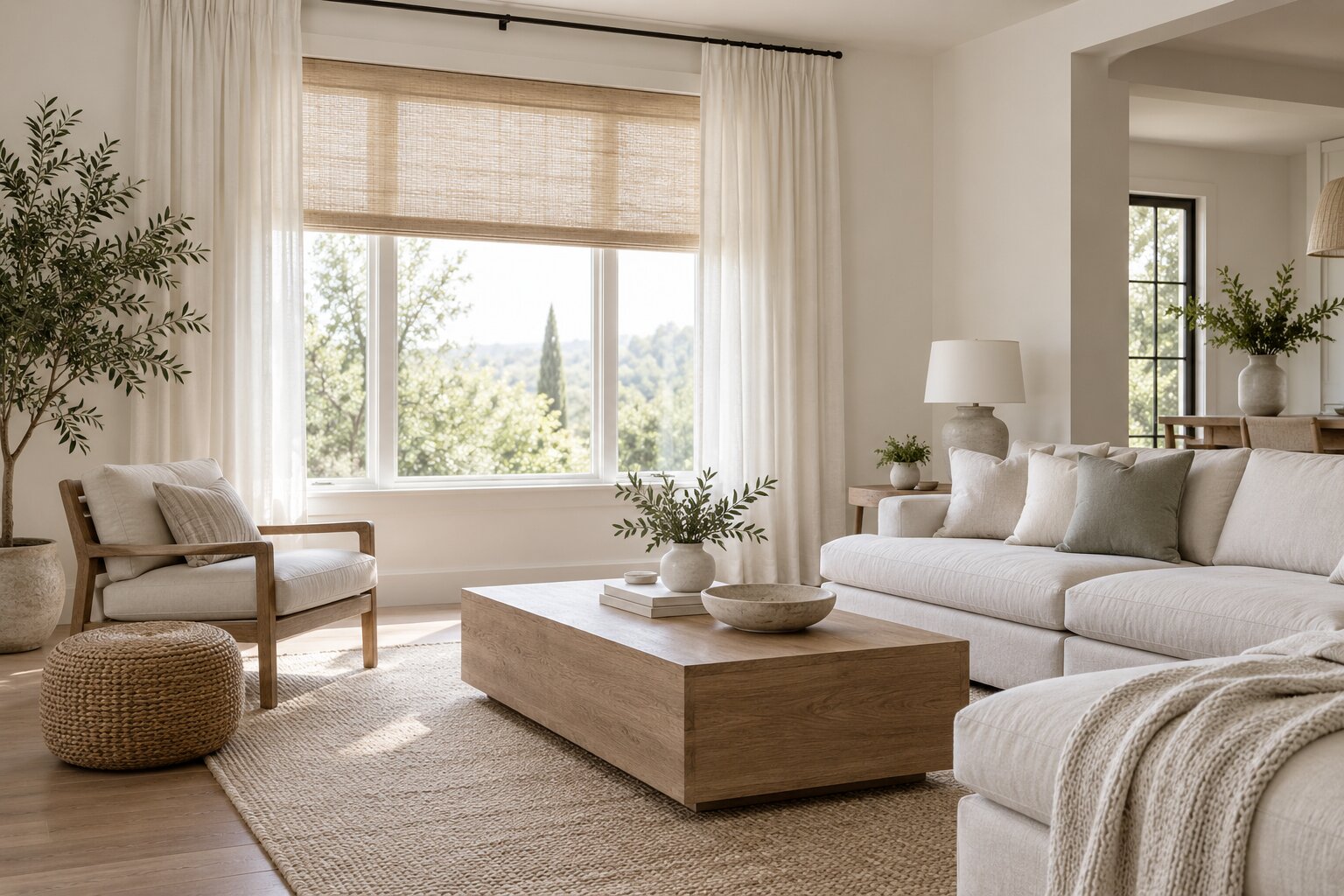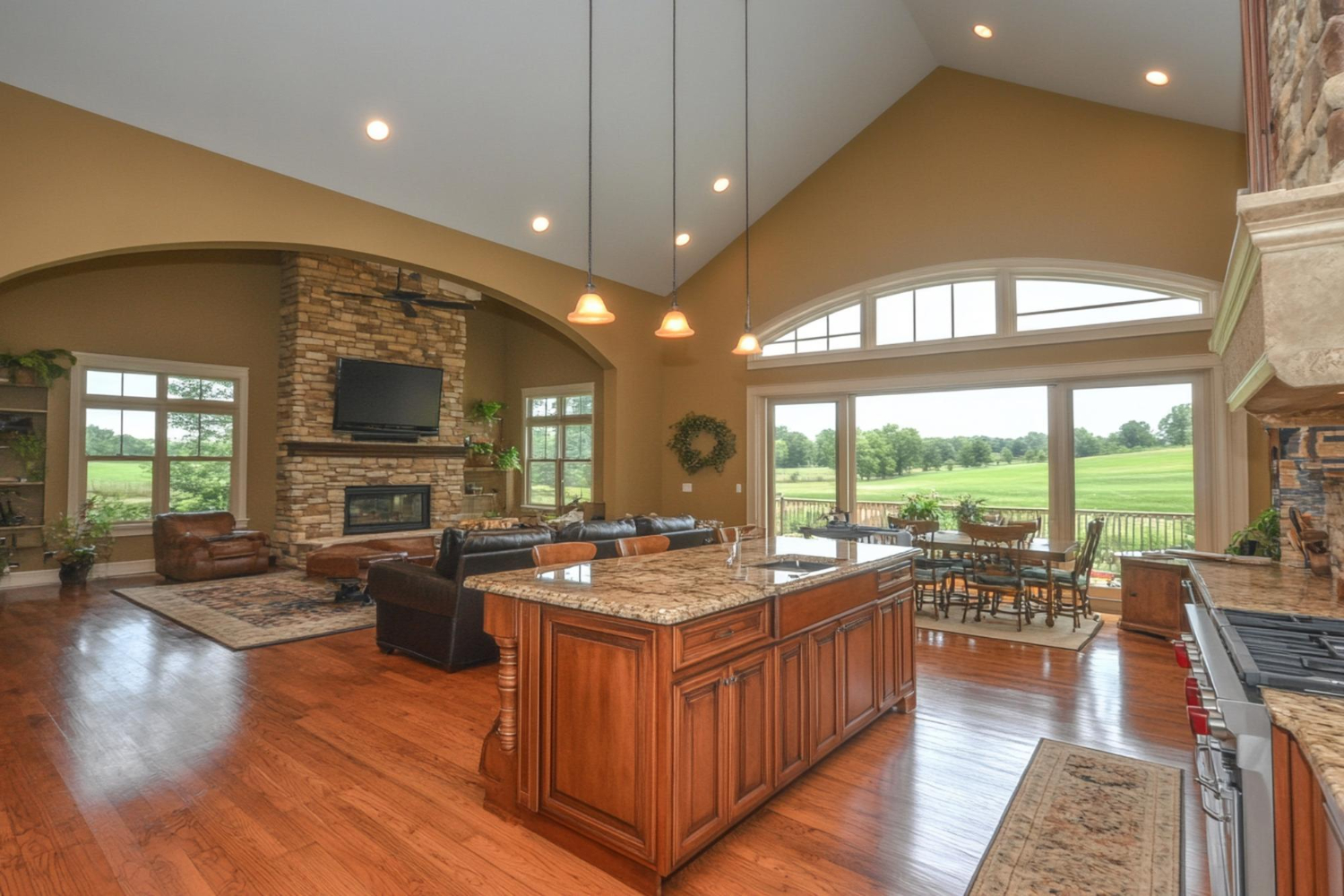
Quiet luxury has quickly become one of the most influential design trends, transitioning from fashion into interiors and now shaping how people perceive their homes. Unlike traditional luxury, which often relies on opulence and show-stopping features, quiet luxury emphasizes timeless elegance, high-quality materials, and subtle details that speak volumes without being overbearing.
For today’s homebuyers, especially those seeking long-term value, the appeal lies in refinement over flash. Wide-plank hardwood floors, natural stone countertops, seamless cabinetry, and thoughtfully layered lighting create a more livable space than ornate fixtures or bold, trendy designs.
For home builders, this shift presents both challenges and opportunities. Buyers aren’t just looking for bigger homes or eye-catching finishes; they’re seeking designs that blend sophistication with functionality, creating spaces that feel like retreats. Incorporating quiet luxury into new builds can set a community apart, attracting discerning buyers who value understated beauty and long-lasting quality.
Defining Quiet Luxury in Home Design
One of the strongest appeals of quiet luxury is its sense of longevity. Buyers know that trends come and go, but natural stone, warm wood flooring, and clean architectural lines will never feel outdated. Choosing materials and finishes that age gracefully reassures buyers that their investment will retain both beauty and value for years to come.
There’s also a strong emotional connection. Quiet luxury homes evoke a sense of calm, uncluttered spaces where families can relax, recharge, and connect. Neutral tones, natural light, and thoughtful layouts promote comfort while still exuding elegance. In a world where many buyers balance busy schedules and digital overload, this sense of serenity is a major selling point.
Practicality plays a role as well. Many buyers are increasingly conscious of quality over quantity. They would rather have a smaller home finished with premium details than a larger space filled with mass-market upgrades. Quiet luxury caters to this mindset by emphasizing craftsmanship, sustainability, and everyday functionality.
Why Quiet Luxury Appeals to Modern Homebuyers

Home builders can incorporate quiet luxury elements into floor plans, finishes, and staging to transform a property into one that resonates deeply with today’s buyers.
1. Materials and Finishes
The foundation of quiet luxury is quality. Natural materials such as marble, limestone, quartzite, and wide-plank oak flooring are staples. Matte finishes, brushed metals, and custom millwork convey sophistication without calling too much attention to themselves. Unlike flashy upgrades, these details age gracefully, reinforcing a sense of permanence.
2. Color Palettes
Neutral, muted colors are a central aspect of the aesthetic. Creams, taupes, soft grays, and warm earth tones create a calm backdrop that feels timeless and enduring. Subtle contrasts and layered textures, such as a mix of stone, wood, and textiles, add richness without overpowering the space. The result is a palette that feels both serene and inviting.
3. Architectural Details
Quiet luxury favors clean lines, balanced proportions, and thoughtful design. Large windows that maximize natural light, open but intentional layouts, and seamless transitions between rooms all contribute to the feeling of understated elegance. Builders can emphasize these elements through floor plans that prioritize flow and functionality as much as beauty.
4. Kitchens and Bathrooms
These spaces often serve as the showcase for quiet luxury. In kitchens, seamless cabinetry, integrated appliances, and natural stone countertops are must-haves. Bathrooms draw inspiration from spas, featuring walk-in showers, freestanding tubs, and layered lighting that strikes a balance between functionality and indulgence. Simplicity and attention to detail are what make these spaces stand out.
5. Furnishings and Lighting
While not always part of the permanent build, model home staging can highlight the quiet luxury aesthetic. Minimalist built-ins, plush fabrics, statement lighting with clean silhouettes, and carefully chosen accessories create a lived-in elegance. Lighting, in particular, plays a significant role. Warm, layered light enhances finishes and creates a mood without being overwhelming.
By weaving these elements into the design process, builders can deliver homes that not only look stunning in the present but also promise enduring appeal. Quiet luxury is less about impressing with grandeur and more about creating spaces that feel effortlessly elevated and built to last.
Core Elements of Quiet Luxury in Home Design

1. Materials and Finishes
Quiet luxury begins with materials that feel timeless and authentic. Natural stone countertops, marble accents, wide-plank hardwood flooring, and custom millwork signal quality craftsmanship. Matte finishes and brushed metals add refinement without flashiness, ensuring homes feel sophisticated and durable.
2. Color Palettes
Neutral tones form the foundation of the quiet luxury aesthetic. Soft shades of beige, taupe, ivory, and warm grays establish a calm, balanced environment. Muted greens and other earthy hues can be layered in for depth, helping spaces feel warm, natural, and inviting while maintaining a timeless look.
3. Architectural Details
Architecture plays a critical role in delivering quiet luxury. Clean lines, balanced proportions, and open yet intentional layouts create a sense of order and flow. Large windows and expansive glass doors invite natural light, highlighting finishes and connecting interior spaces with the outdoors.
4. Kitchens and Bathrooms
These high-impact spaces are where quiet luxury truly shines. Kitchens feature seamless cabinetry, hidden storage, and integrated appliances that support a clutter-free environment. Natural stone islands and backsplashes add texture and elegance. Bathrooms are designed with spa-like qualities, featuring freestanding tubs, walk-in showers, layered lighting, and premium stone or tile finishes that elevate daily routines into indulgent experiences.
5. Furnishings and Lighting
Staging and interior selections bring the aesthetic together. Minimalist built-ins, streamlined furniture, and carefully chosen textures, such as linen, velvet, and natural fibers, create understated depth. Statement lighting fixtures with clean silhouettes act as focal points, while layered lighting ensures each space feels warm and adaptable to different moods.
How Home Builders Can Incorporate Quiet Luxury
For home builders, weaving quiet luxury into new communities isn’t about reinventing the wheel. It’s about making thoughtful choices in design, finishes, and presentation that appeal to buyers who value understated sophistication.
Floor Plan Decisions: Quiet luxury begins with layouts that are open yet purposeful. Rather than vast, undefined spaces, the trend favors well-proportioned rooms with seamless transitions. Builders can prioritize natural light by incorporating expansive windows, integrating indoor-outdoor living areas, and designing kitchens and great rooms that feel spacious yet inviting.
Model Home Staging: The way a model home is staged often determines how buyers perceive the lifestyle being offered. To reflect quiet luxury, staging should emphasize neutral palettes, layered textures, and a balance of comfort and refinement. Instead of filling spaces with ornate or trendy décor, highlight a few high-quality statement pieces that reinforce craftsmanship and timeless appeal.
Premium Upgrades: Offering upgrade packages tailored to quiet luxury allows buyers to personalize their homes in line with the trend. Wide-plank hardwood flooring, integrated kitchen appliances, and natural stone surfaces are standout examples. Builders can also incorporate spa-like bathroom options, featuring walk-in showers, freestanding tubs, and custom cabinetry.
The key is to emphasize quality and craftsmanship over flashiness. Buyers drawn to quiet luxury don’t want their homes to feel ostentatious; they want spaces that are elegant, calming, and built to last. By making deliberate design choices and showcasing premium finishes, builders can appeal to this growing segment of the market while differentiating their communities from competitors.
Quiet Luxury as a Selling Point
In a competitive housing market where many new builds emphasize size or flashy upgrades, homes that embody understated elegance stand out immediately. Buyers recognize the difference between surface-level upgrades and thoughtful design built around quality and longevity.
This approach is especially appealing to two key demographics: move-up buyers and luxury downsizers. Move-up buyers, often families seeking their second or third home, are ready to invest in higher-quality finishes and more innovative layouts that better reflect their lifestyle. Luxury downsizers, on the other hand, want sophistication without excess, prioritizing craftsmanship, convenience, and timeless style over square footage. Quiet luxury resonates with both groups because it communicates refinement and success without feeling overwhelming or impractical.
From a marketing perspective, quiet luxury also photographs and stages beautifully, making it highly effective for brochures, websites, and virtual tours. Clean lines, neutral palettes, and layered textures translate well on camera, helping builders showcase homes that feel timeless and aspirational. During walkthroughs, prospective buyers can experience the sense of calm and elegance firsthand, which reinforces their perception of value.
Implementing Quiet Luxury in New Home Design
Quiet luxury reflects how today’s buyers want to live. By prioritizing natural materials, refined finishes, intentional layouts, and understated details, builders can create homes that feel timeless, elegant, and approachable. For discerning buyers, the appeal lies not in flashy statements but in craftsmanship and thoughtful design choices that elevate everyday living.
For home builders, embracing quiet luxury is a strategic advantage. It differentiates new builds from competitors, aligns with buyer demand for authenticity and quality, and enhances the marketability of communities through brochures, websites, and model home staging. More importantly, it resonates with move-up buyers and downsizers who want their homes to showcase success in a way that feels livable and lasting.
Builders who integrate quiet luxury into their projects position themselves to attract today’s most discerning buyers and set their communities apart. Now is the time to design with quiet sophistication, creating homes that will not only sell but remain desirable for years to come.