Minimalism and maximalism sit at opposite ends of the interior design spectrum. One is calm, edited, and quiet; the other is bold, layered, and full of personality. Homebuyers are drawn to both, and builders often wonder which approach will sell more homes.
The answer for most builders is to understand what each style offers, build the base finishes around the qualities buyers value in both, and use models and upgrade packages to show buyers how far they can take the look. Here’s how minimalism and maximalism compare, and how to apply each in new homes.
Minimalism vs. Maximalism at a Glance
| Minimalism | Maximalism | |
| Overall feel | Calm, open, and uncluttered | Bold, layered, and expressive |
| Color palette | Whites, warm neutrals, soft wood tones | Rich colors, contrast, and pattern |
| Cabinetry | Slab or simple Shaker doors, integrated hardware | Colored or two-tone cabinets, decorative hardware |
| Countertops | Solid or softly veined quartz | Dramatic veining and statement stone |
| Flooring | Continuous light wood-look plank or large-format tile | Patterned tile, darker woods, rugs |
| Buyer appeal | Broad and easy to personalize | Memorable and highly personal |
| Best use for builders | Standard packages and most plans | Model home features and upgrade packages |
What Is Minimalist Interior Design?
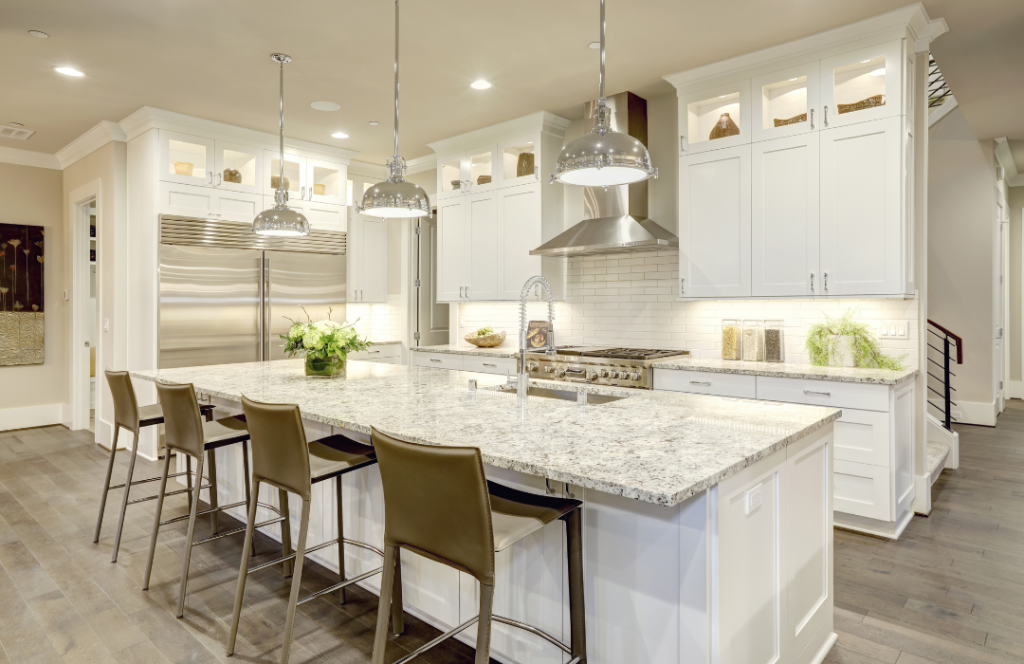
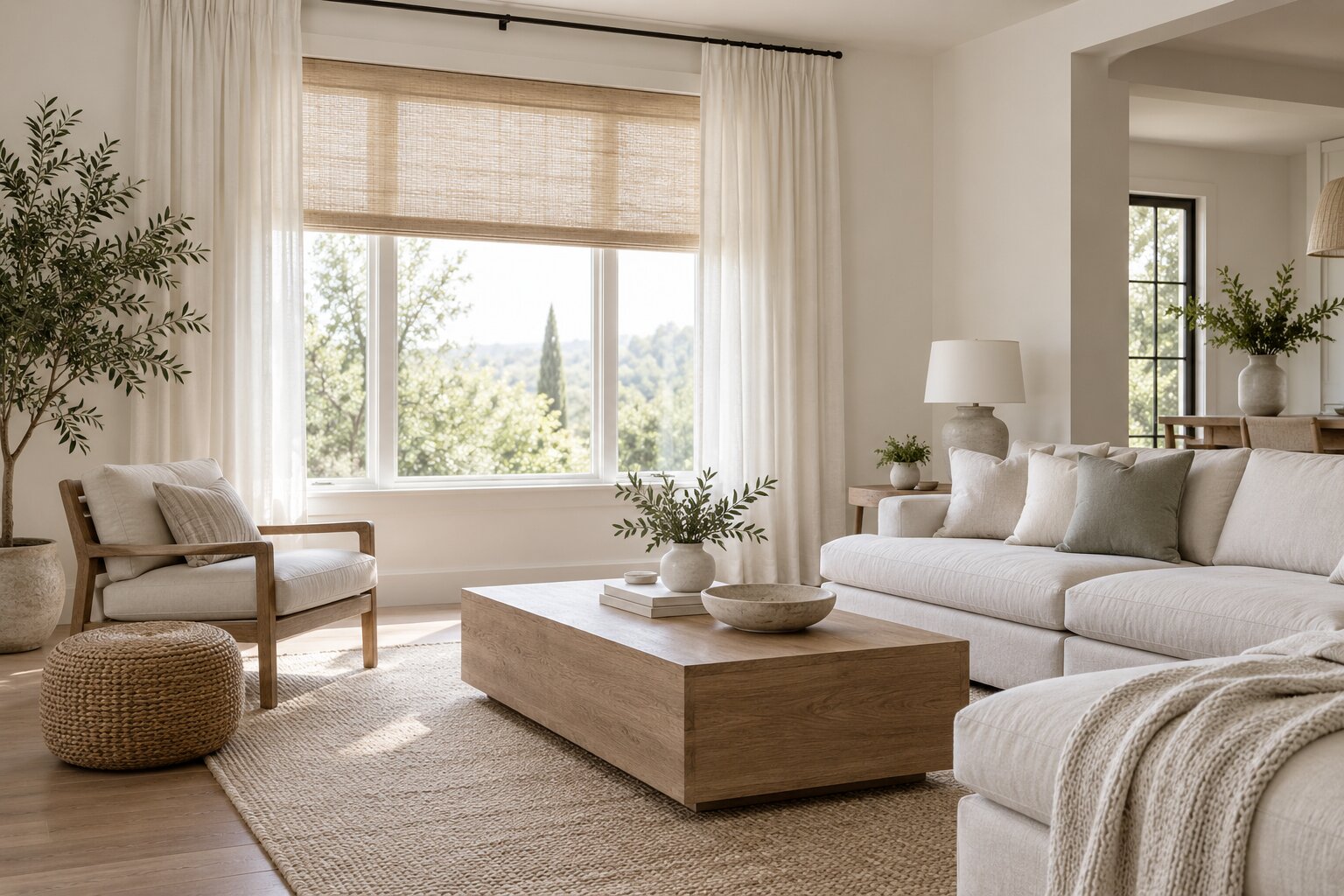
Minimalism focuses on simplicity, function, and open space. Rooms feature clean lines, a restrained palette, and only what’s needed. Today’s minimalism is warmer than the stark white interiors of the past. Natural wood, soft textures, and warm whites keep spaces from feeling cold.
Key minimalist finishes include:
- Flat-panel or simple Shaker cabinets in white, cream, or natural wood
- Solid or softly veined quartz countertops
- Continuous wood-look flooring through the main living areas
- Hidden storage and integrated or panel-ready appliances
- Simple roller shades that disappear when open
Why Minimalism Works for Builders
Minimalist finishes appeal to a wide range of buyers, photograph well, and make floor plans feel larger. They’re also easier to standardize across a community, which simplifies purchasing and installation. Because the base is neutral, buyers can easily add their own personality with furniture and décor. Read more about the related trend of quiet luxury in home design.
What Is Maximalist Interior Design?
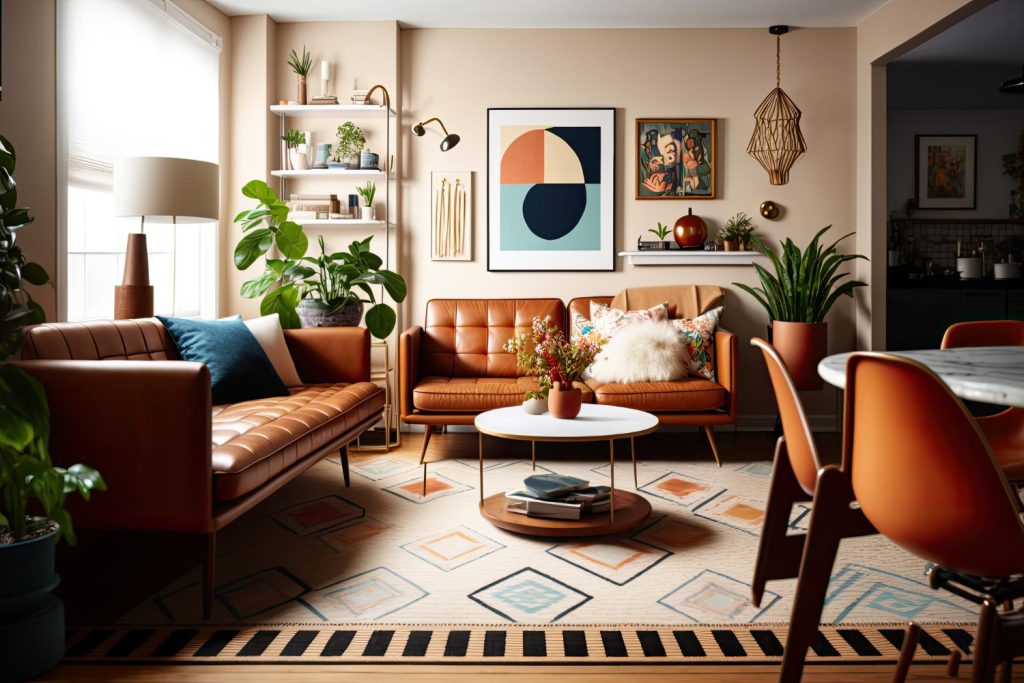
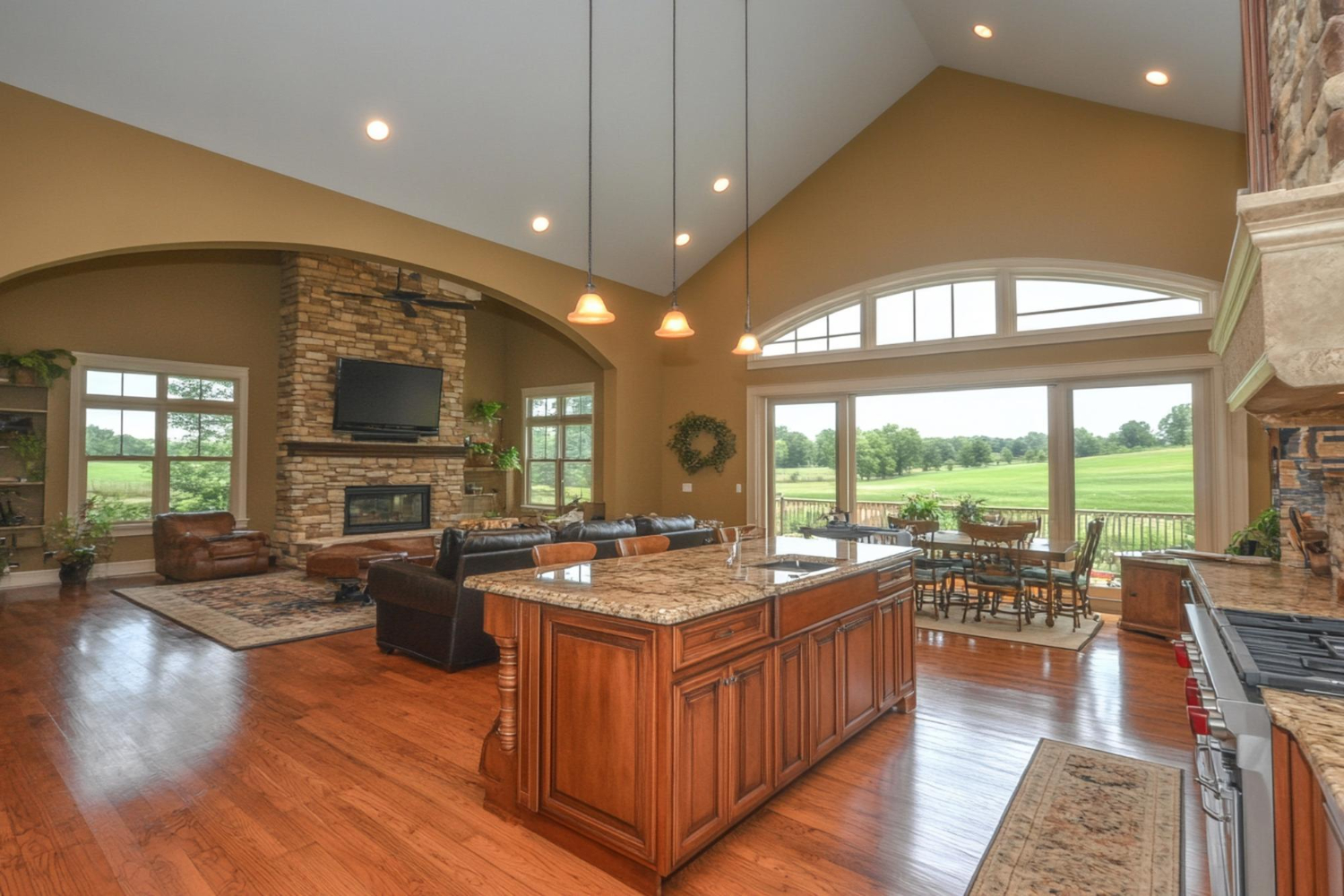
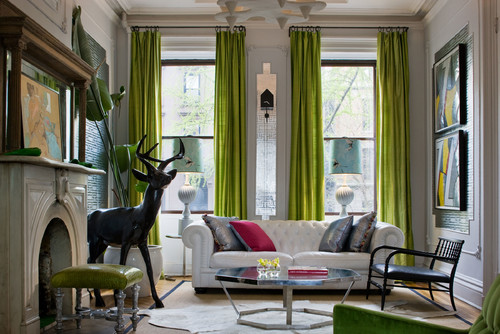
Maximalism embraces color, pattern, and layering. Rather than “less is more,” it’s about curated abundance: saturated colors, mixed materials, statement lighting, and meaningful collections. Done well, maximalism feels rich and personal rather than cluttered.
Key maximalist finishes include:
- Colored cabinetry such as deep green, navy, or two-tone combinations
- Dramatic stone or quartz with bold veining
- Patterned tile on floors, backsplashes, and shower walls
- Mixed metals and decorative hardware
- Layered window treatments with color, pattern, or texture
Why Maximalism Works for Builders
Maximalist touches make model homes memorable and give buyers a reason to upgrade. A bold island, a statement powder room, or a patterned backsplash creates the kind of moment buyers remember after touring several communities. Learn more in our guide to colorful home design trends.
Which Style Sells More New Homes?
For most production and semi-custom builders, the best approach is a minimalist foundation with maximalist moments:
- Keep standard finishes clean and neutral. Flooring, perimeter cabinets, and main countertops should appeal to the broadest audience.
- Add personality where it’s easy to change or upgrade. Islands, backsplashes, powder rooms, lighting, hardware, and window treatments are ideal places for bolder choices.
- Use models to show the range. Merchandise one model with a calm, minimalist look and another with richer color and pattern, so buyers can see both possibilities.
- Match the style to the community. First-time and downsizing buyers often prefer simple, low-maintenance finishes. Luxury and custom buyers may want more expression.
How to Offer Both Styles in Your Design Center
Curated design packages make it easy for buyers to choose a direction without being overwhelmed:
- A minimalist package with warm white cabinets, solid quartz, light wood-look flooring, and roller shades
- A warm transitional package that balances neutral finishes with wood tones and soft texture
- A bold package with a colored island, statement countertops, patterned tile, and mixed metals
Pre-coordinated packages speed up design center appointments and reduce change orders, while still letting buyers express their style. See how builders coordinate cabinetry, countertops, and flooring and how to approach model home interior design.
Frequently Asked Questions About Minimalism and Maximalism
What is the difference between minimalism and maximalism?
Which interior style is better for resale?
Can you combine minimalism and maximalism?
Is minimalism still popular?
How should builders decorate model homes?
Design Homes Buyers Love With Primera
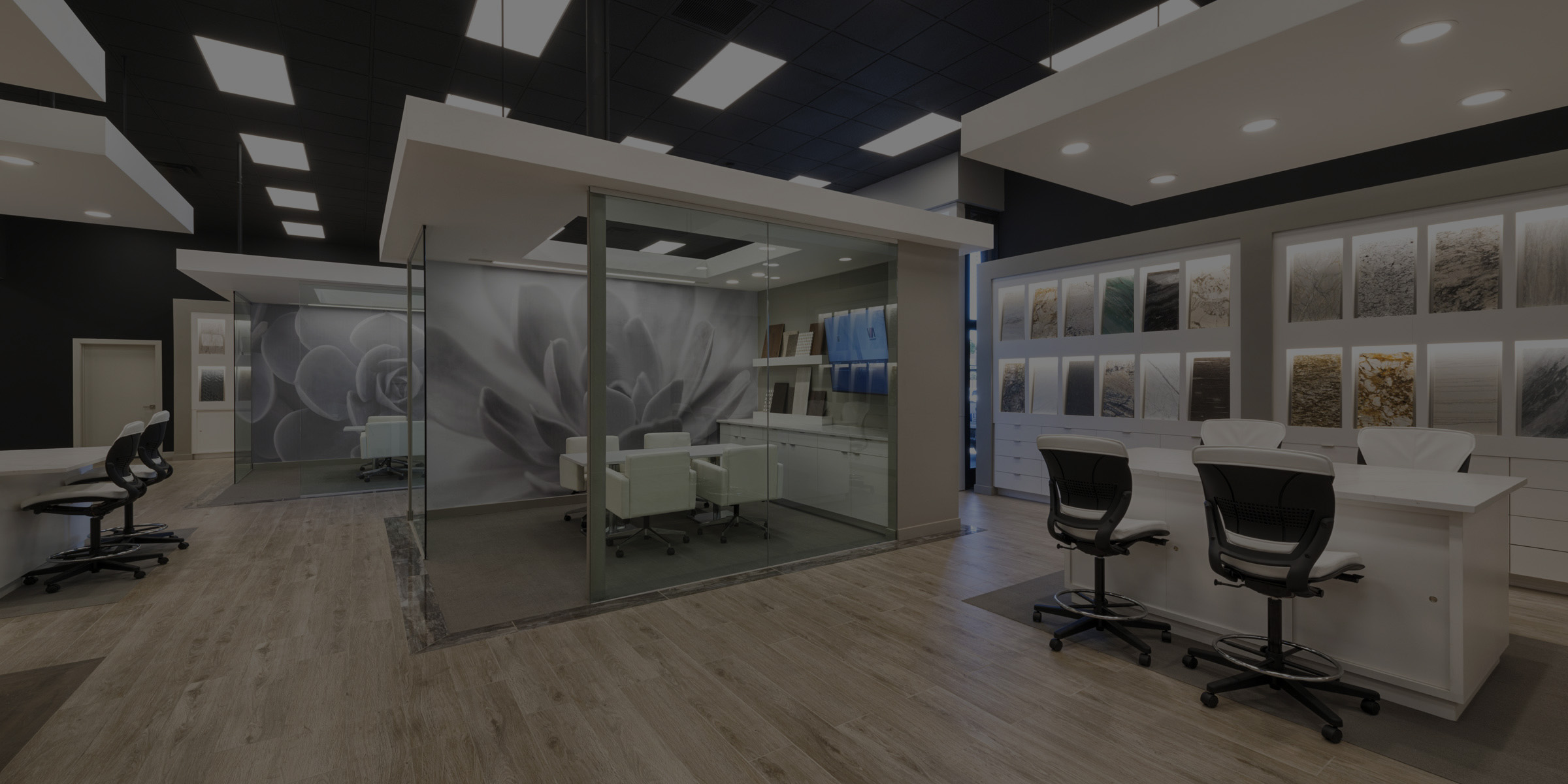
Whether your buyers lean minimalist, maximalist, or somewhere in between, Primera helps home builders create curated finish packages with cabinets, countertops, flooring, tile, and window treatments that fit every style and price point. Our design consultants guide buyers through their selections in award-winning design centers, and our own installation teams deliver consistent quality in every home.
Learn more about partnering with Primera or call (866) 752-7336 to get started.